
▌Su misura per te
L’Umbria offre a tutti la possibilità di una vacanza in linea con le proprie esigenze

Scopri tutte le attività che puoi svolgere per vivere una vacanza autentica in Umbria
Attività in Umbria
Scopri i migliori hotel, agriturismo, b&b per trascorrere un soggiorno indimenticabile in Umbria
Hotel in Umbria
I nostri consigli per assaporare il meglio della tradizione culinaria umbra
Ristoranti in Umbria
Scopri cosa vedere in Umbria, lasciati ispirare dai nostri suggerimenti e delle nostre mini guide
Scopri di piùL’Umbria offre a tutti la possibilità di una vacanza in linea con le proprie esigenze
Scopri i luoghi, le esperienze e le attività dedicate ai più piccoli! Un vacanza in famiglia all'insegna del divertimento!
Scopri di piùScopri tutte le strutture ricettive che applicano buone pratiche per rendere la tua vacanza in Umbria sostenibile e rispettosa dell'ambiente
Scopri di piùScopri i migliori hotel, agriturismo, b&b per trascorrere un soggiorno indimenticabile in Umbria
Scopri di piùScopri i migliori hotel, agriturismo, b&b per trascorrere un soggiorno indimenticabile in Umbria
Scopri di piùTanti luoghi differenti da scoprire con una vocazione comune di accoglienza turistica
Infinite proposte di esperienze e attività per arricchire la tua vacanza e vivere appieno quello che l’Umbria offre

Scopri tutte le esperienze ed attività che puoi svolgere per vivere una vacanza autentica in Umbria
Scopri di più
Scoprire l’Umbria in bicicletta...il luogo ideale per gli appassionati della mountain bike!
Scopri di più
Scopri l'artigianato umbro, una vasta gamma di prodotti realizzati a mano utilizzando tecniche tradizionali
Scopri di piùMini guide e una selezione dei alcuni percorsi per farvi conoscere l’Umbria
Ad ognuno un’accoglienza in linea con le proprie esigenze.
#dovedormireinumbria
Ad ognuno un’accoglienza in linea con le proprie esigenze.
#DOVEDORMIREINUMBRIA
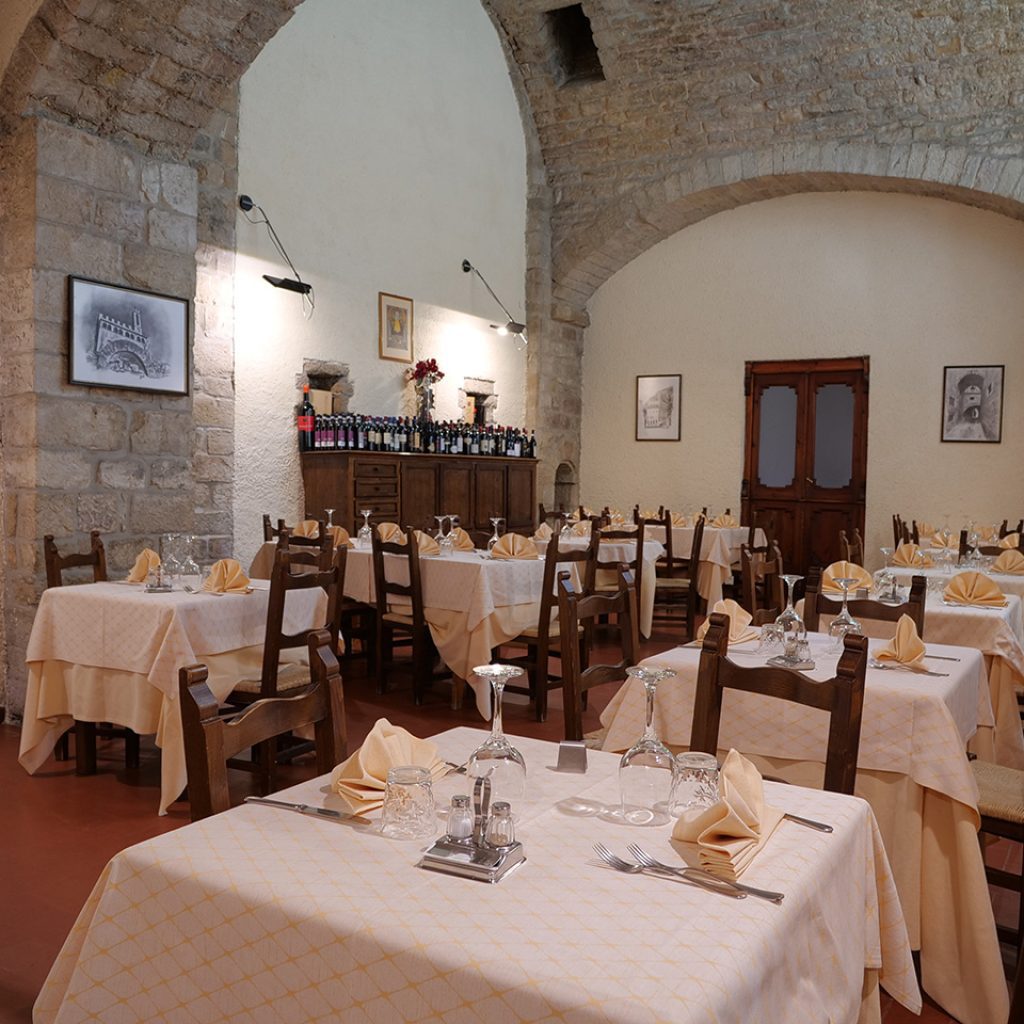
Tipicità e tradizioni enogastronomiche.
#dovemangiareinumbria
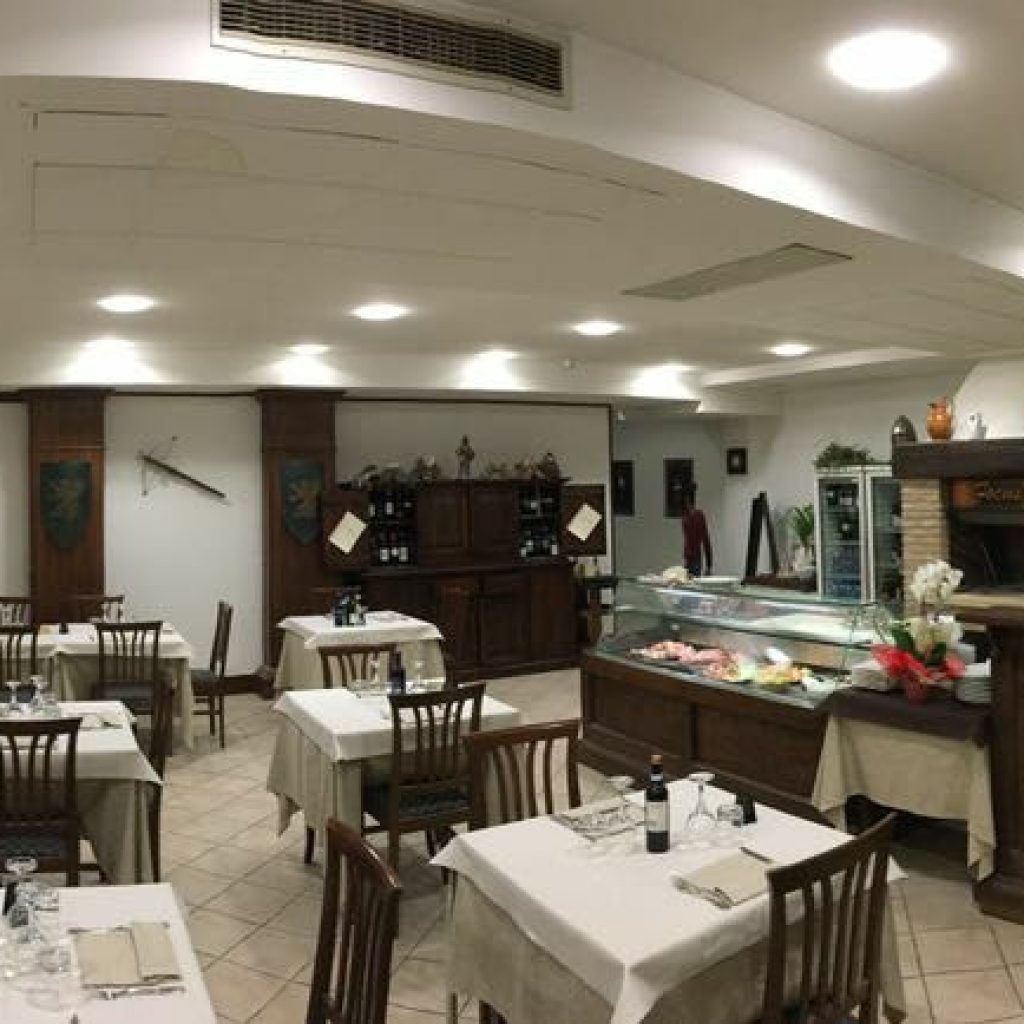
Il connubio unico di tradizione e innovazione culinaria al ristorante “Il Picchio Verde” a Gubbio, tra storia, specialità eugubine e tartufo.
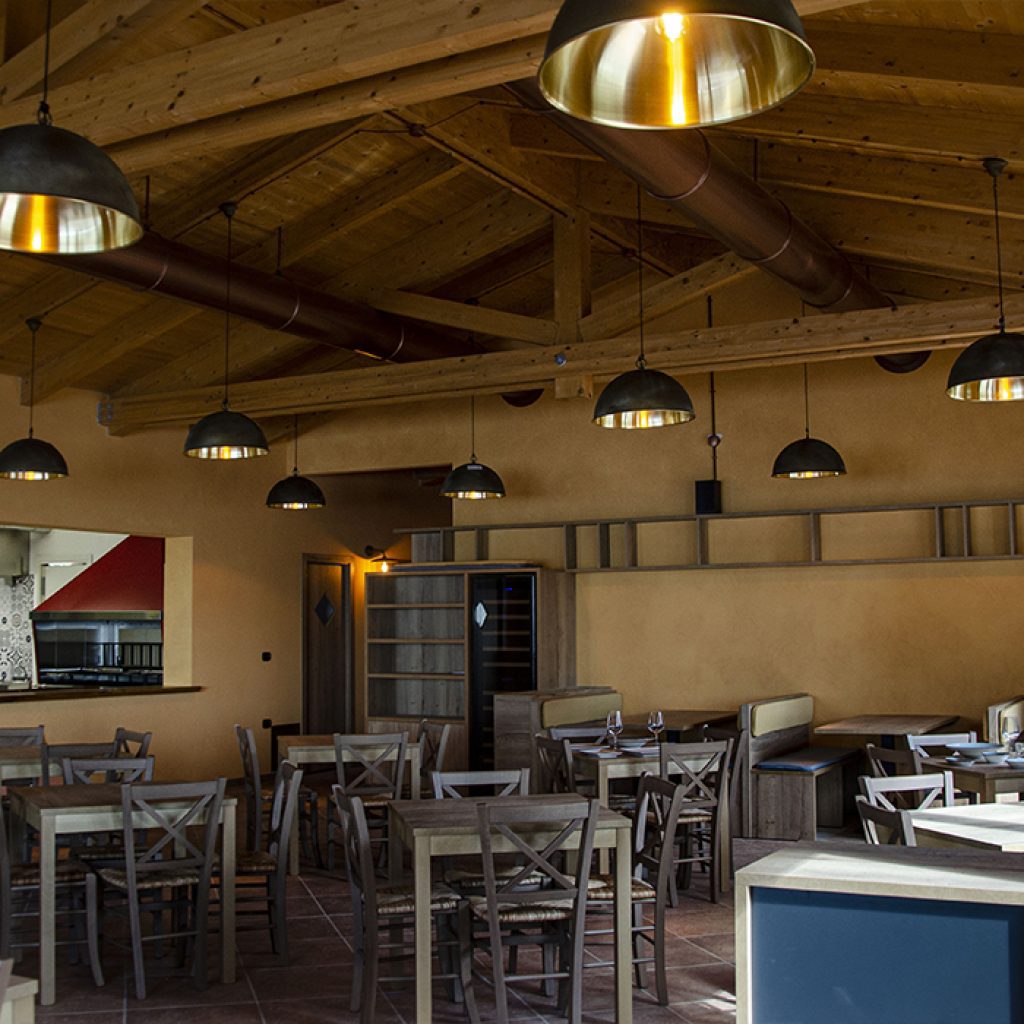
La tradizione umbra alla Taverna del Gobbo con piatti genuini, pasta fatta a mano, tartufo, sughi di cinghiale e oca, anche senza glutine.
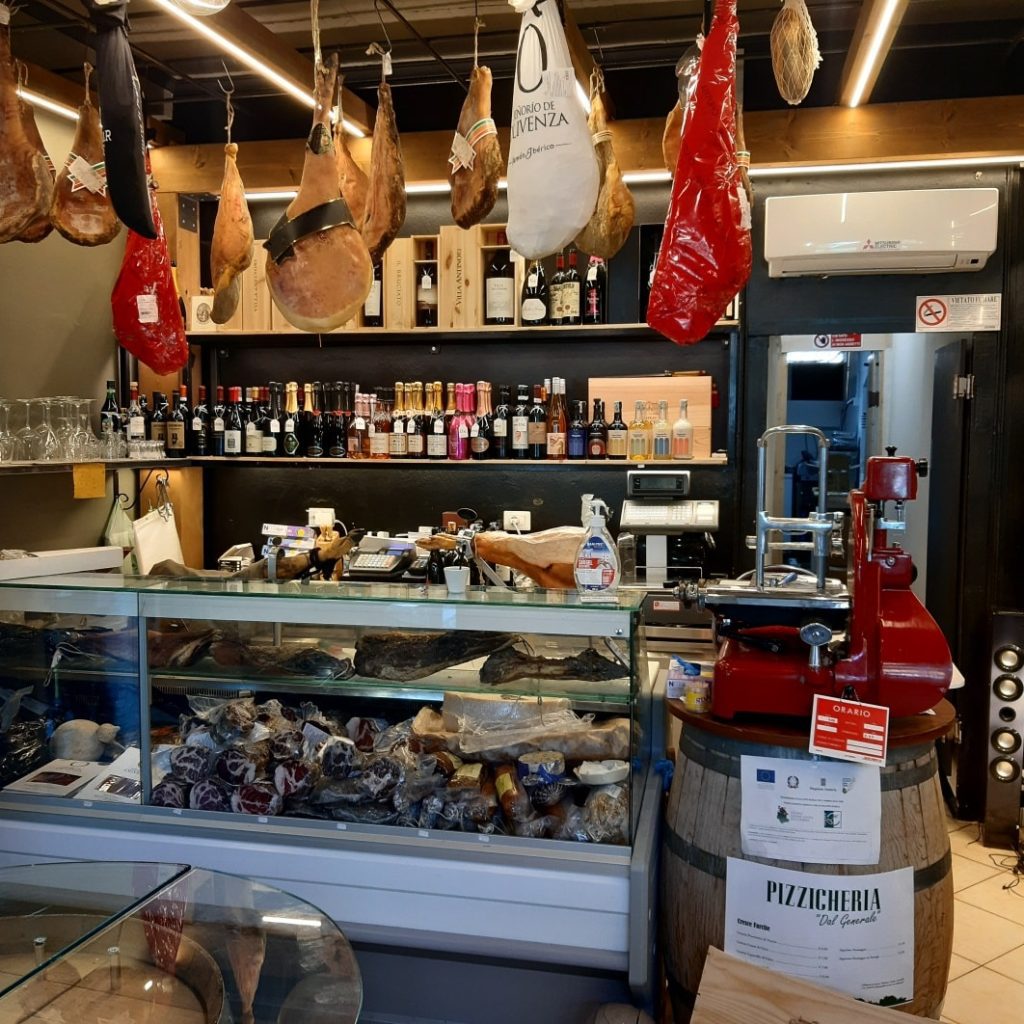
L’autenticità culinaria umbra con la famiglia Biancarelli: da generazioni maestri nella selezione di prodotti tipici di Gubbio e dell’Umbria.
Scopri la Locanda dei Pescatori sul Lago Trasimeno, dove il pesce fresco del giorno incontra le specialità ittiche lacustri tutte sostenibili