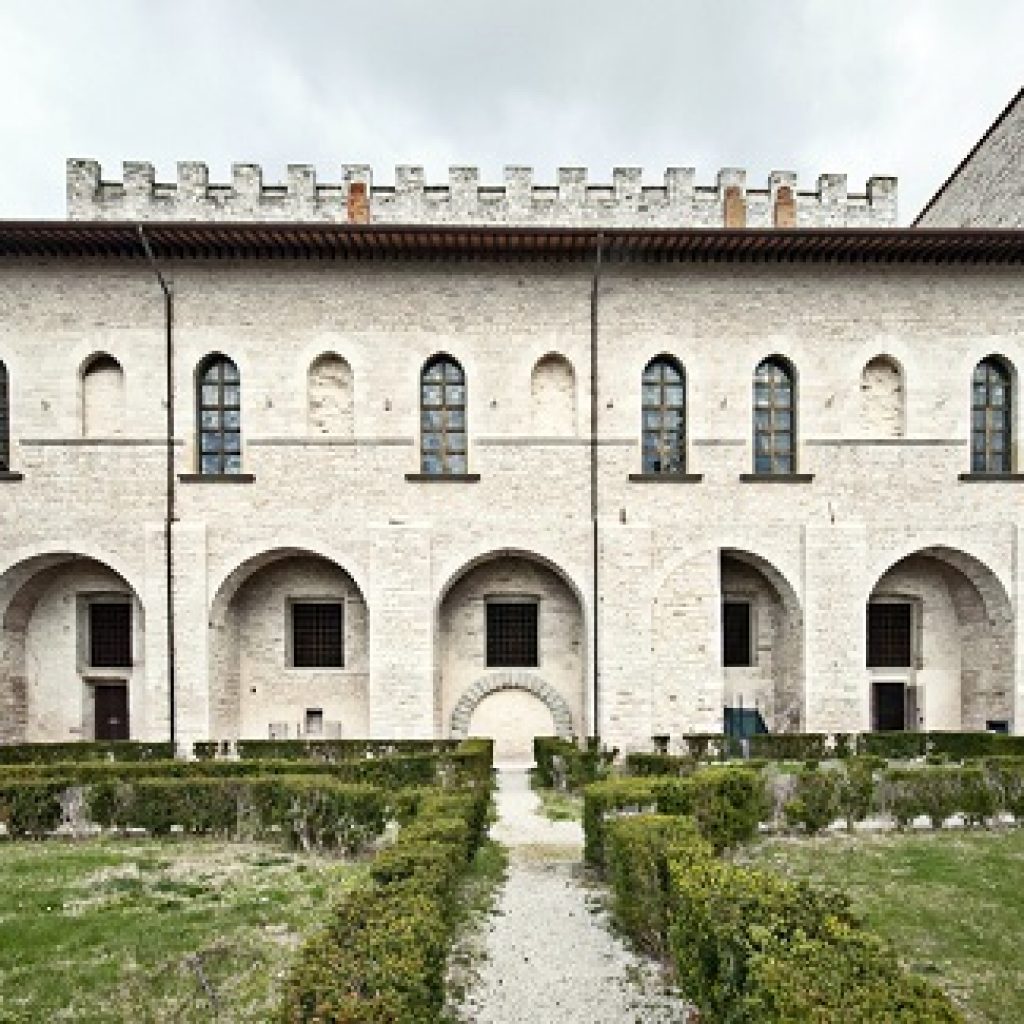
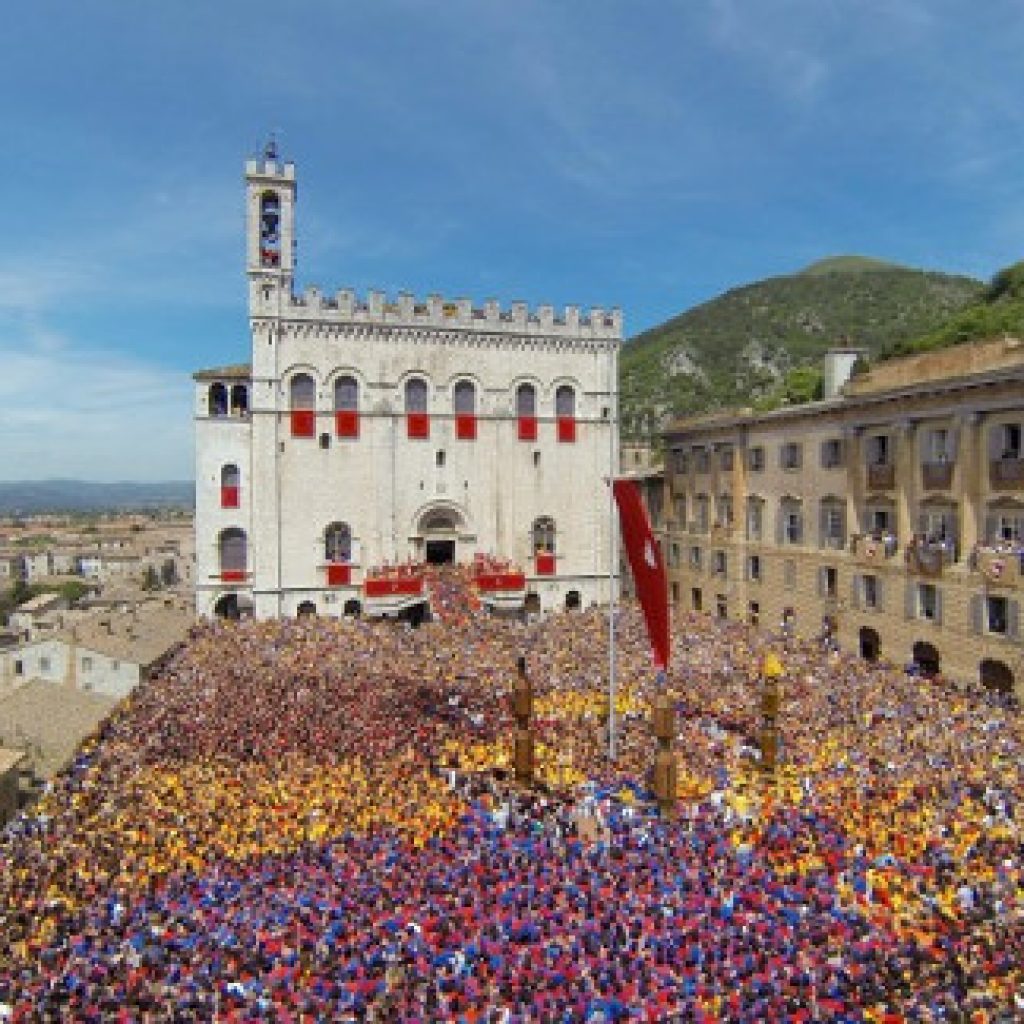
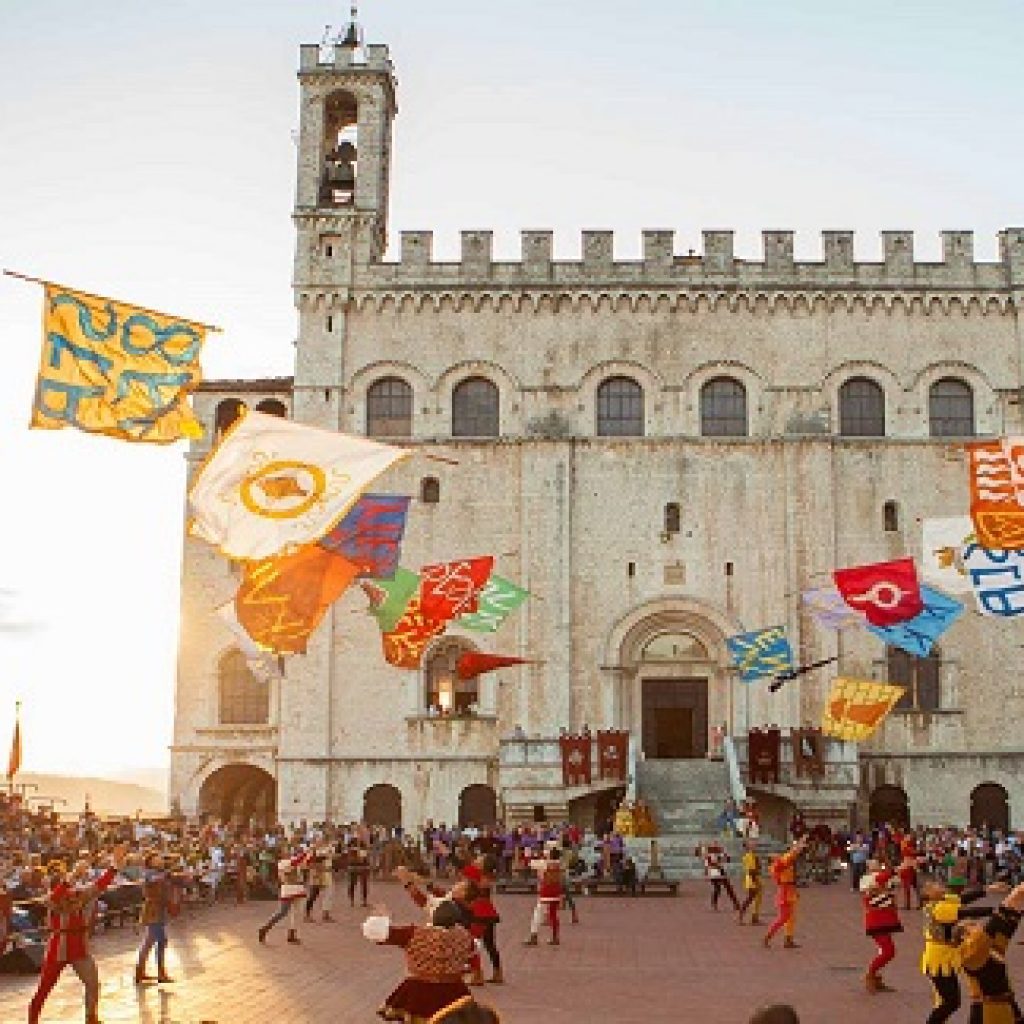
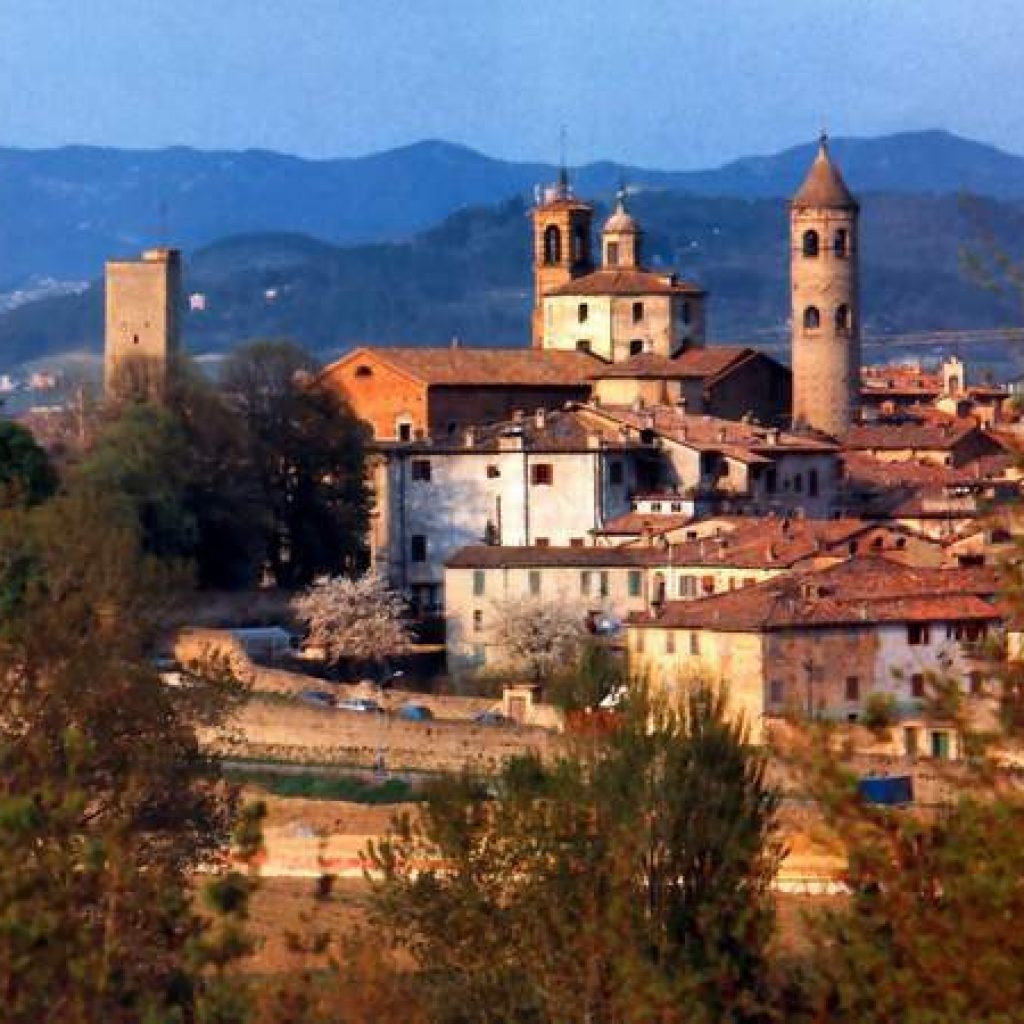
Il Palazzo Ducale di Gubbio fronteggia il Duomo e rappresenta l'unico esempio di arte e architettura rinascimentale della cittadina, conosciuta principalmente per il suo stile gotico medievale dominante. Costruito dopo il 1470 [...]
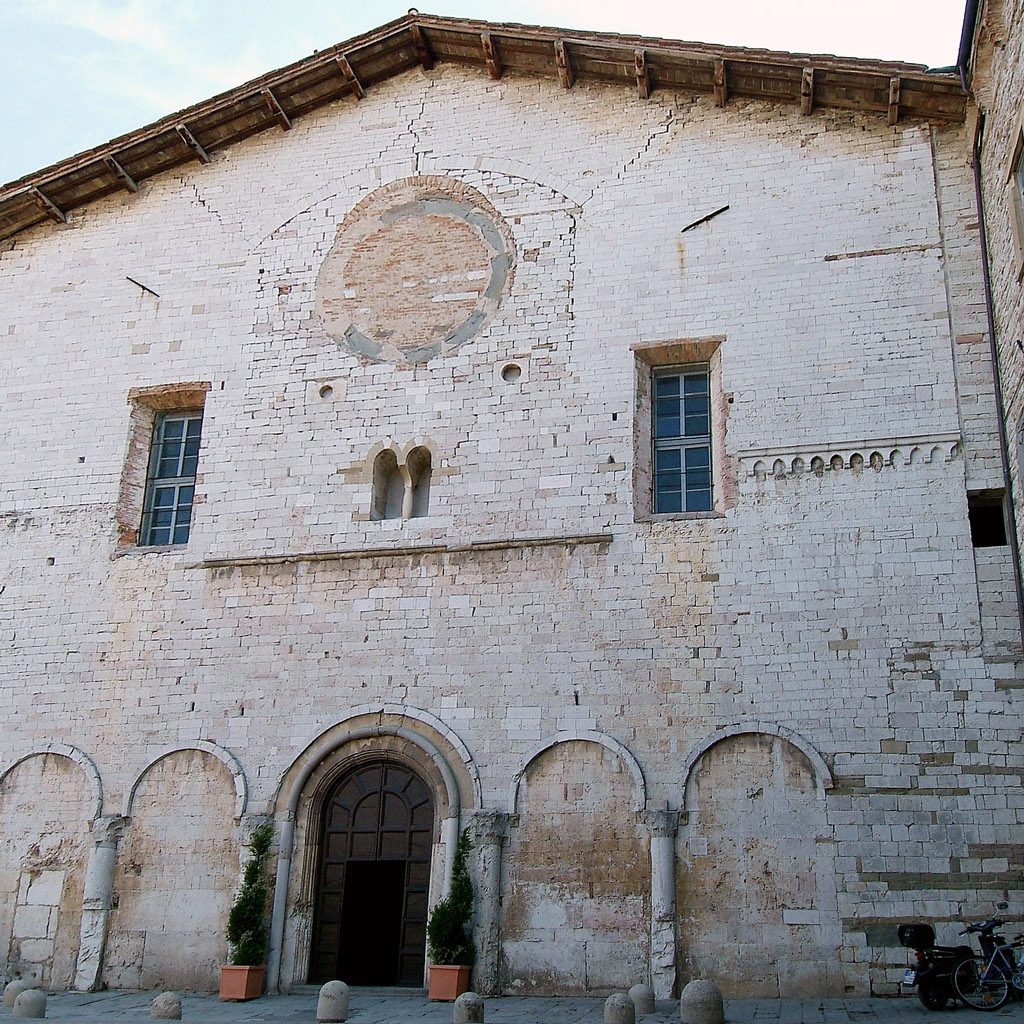
Church of San Pietro
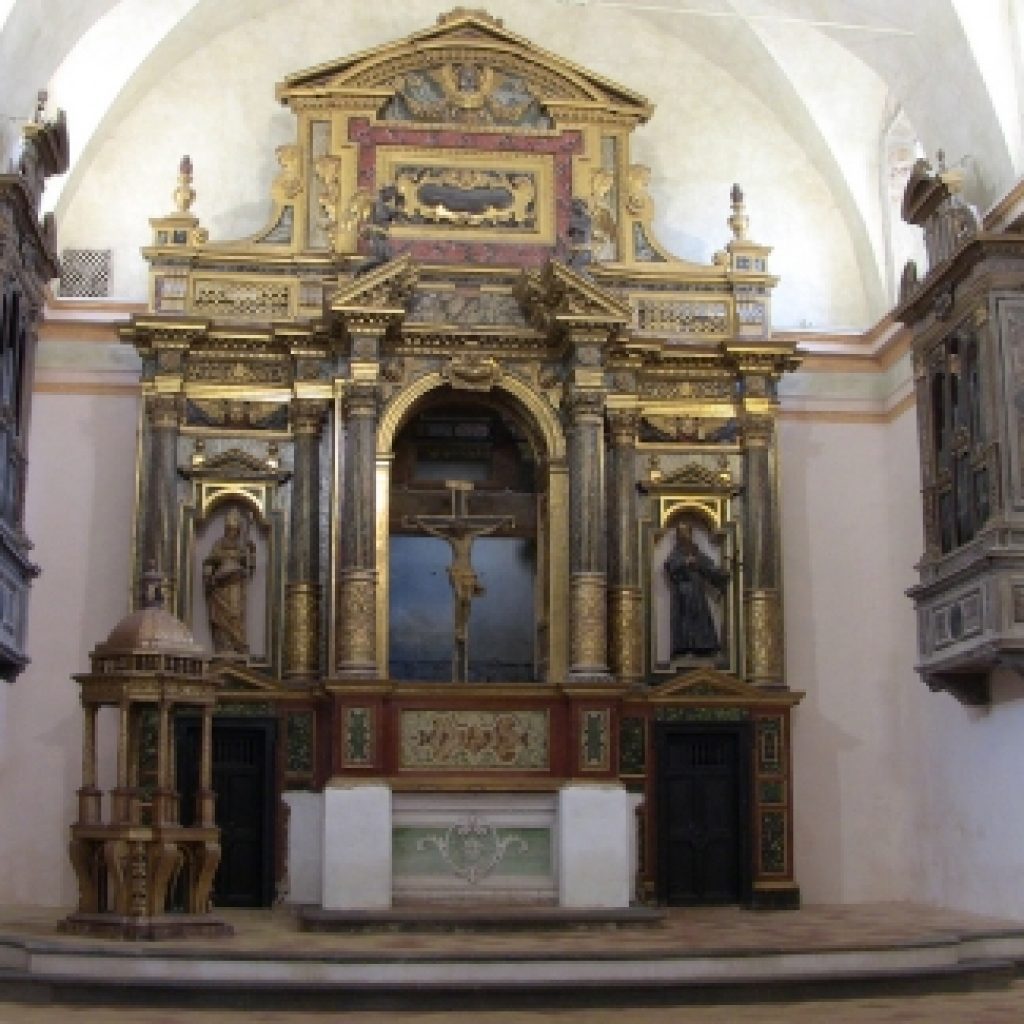
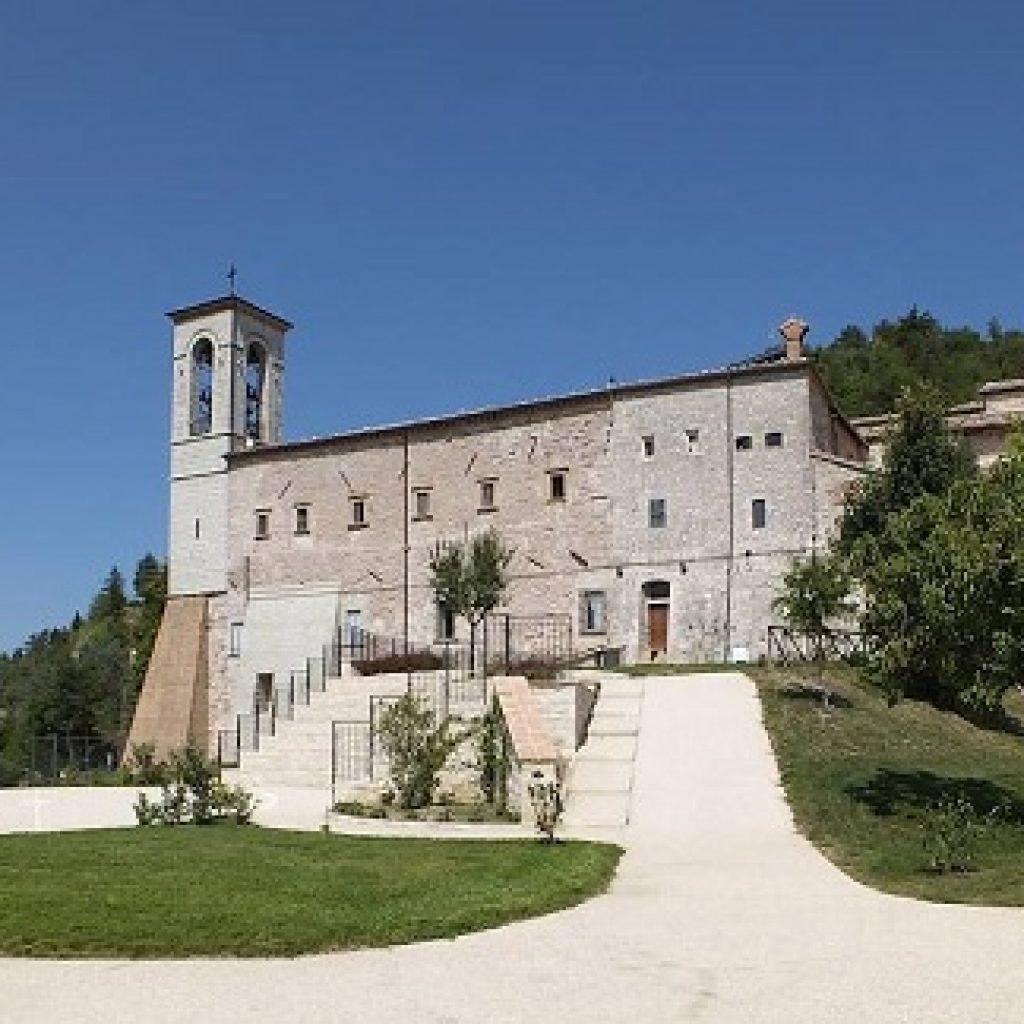
The Church os St. Peter, after having been enlarged by the Olivetanis which moved to the abbey in the 1505, has been completely modified. However, its facade maintains interesting architectonic trends which permit to formulate some realistic hypothesis on its origin.
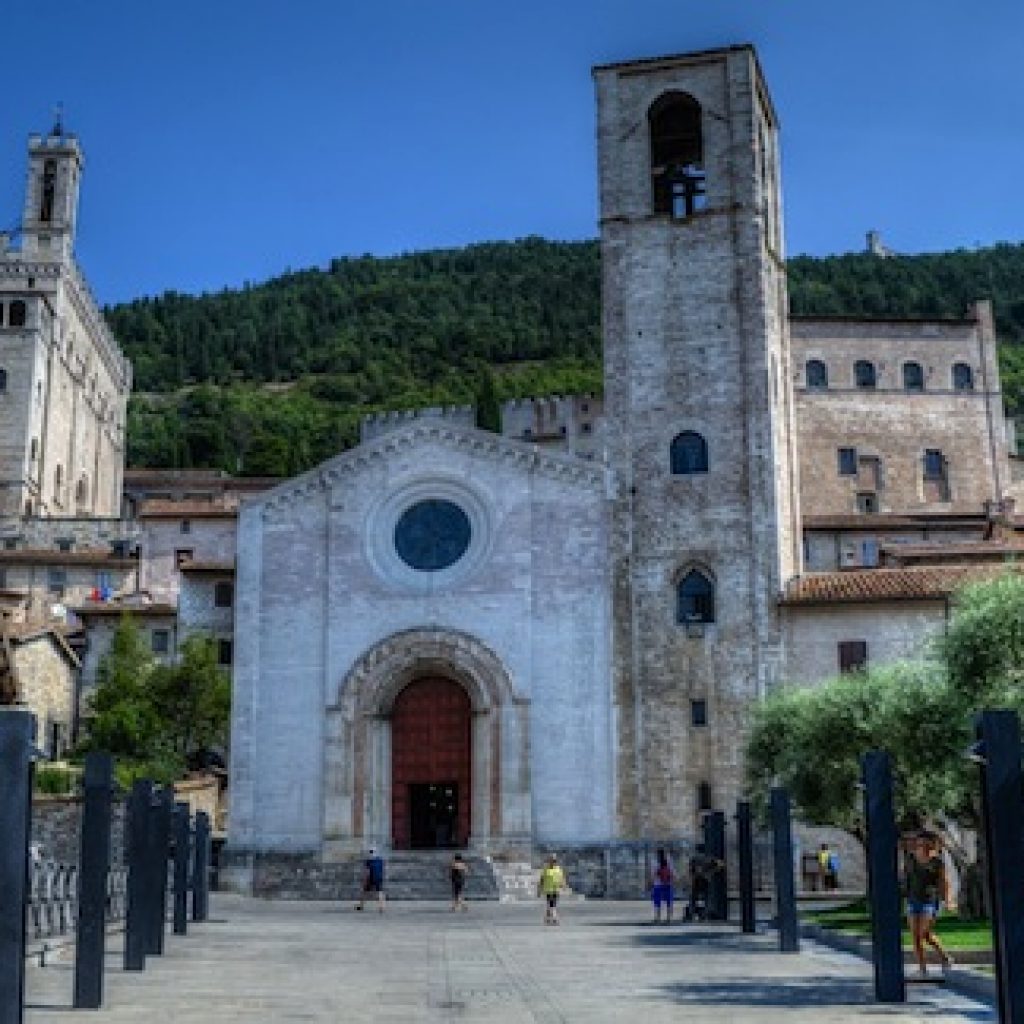
Church of San Giovanni
The Church of Giovanni was constructed in the XIII century on the site of the ancient baptistry. The facade and the bell tower of the church are in romanesque style.
Church of Santa Maria Nuova
The Church of Santa Maria Nuova has the characteristic style of the cistercense architecture prevailing in the ecclesiastical buildings of XIII century Gubbio.
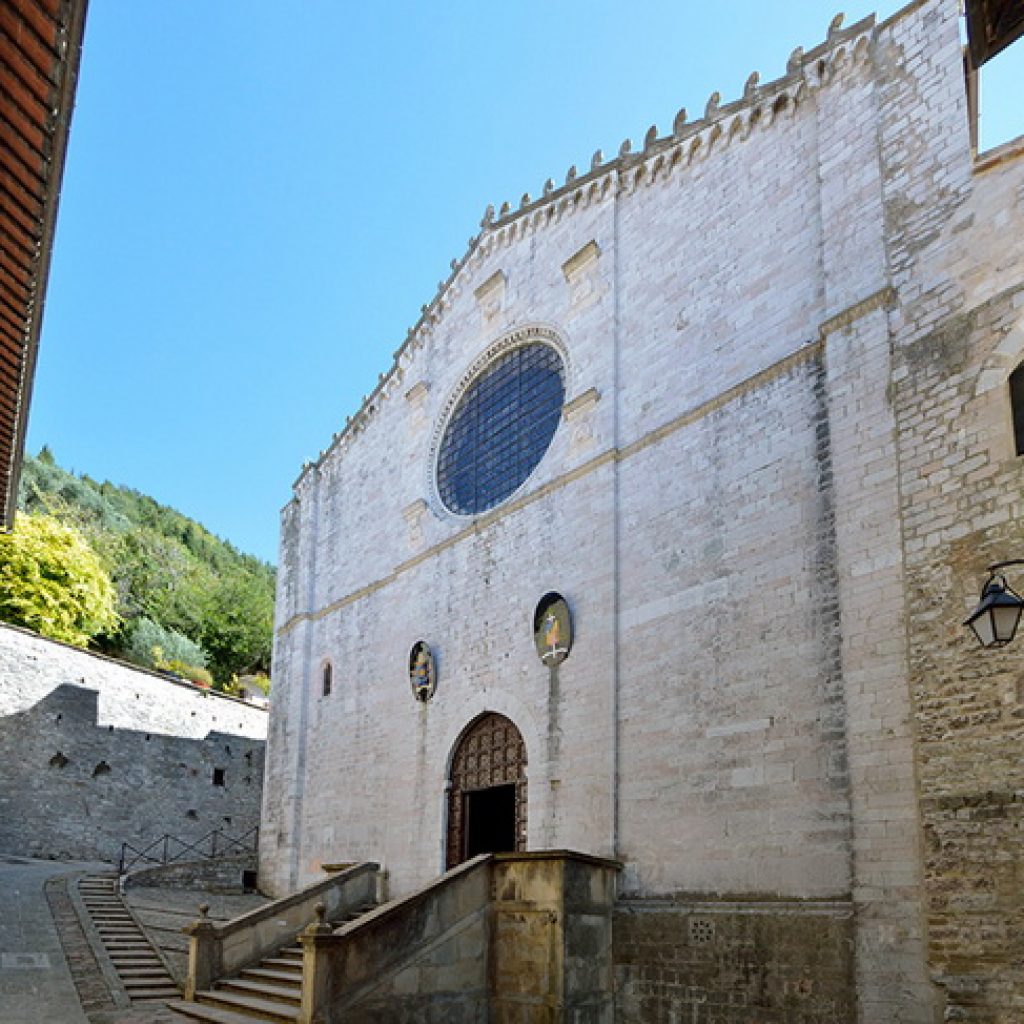
Basilica of St. Ubaldo
The Basilica of St. Ubaldo has five naves and was restored in 1500 by the Canonici Regolari Lateranensi to whom, the guard of the sanctuary was entrusted.
Church of Sant’Agostino
The entire convent of St. Agostino was constructed in the second half of the XIII century on a land given by the municipality of Gubbio.
Rocca Flea
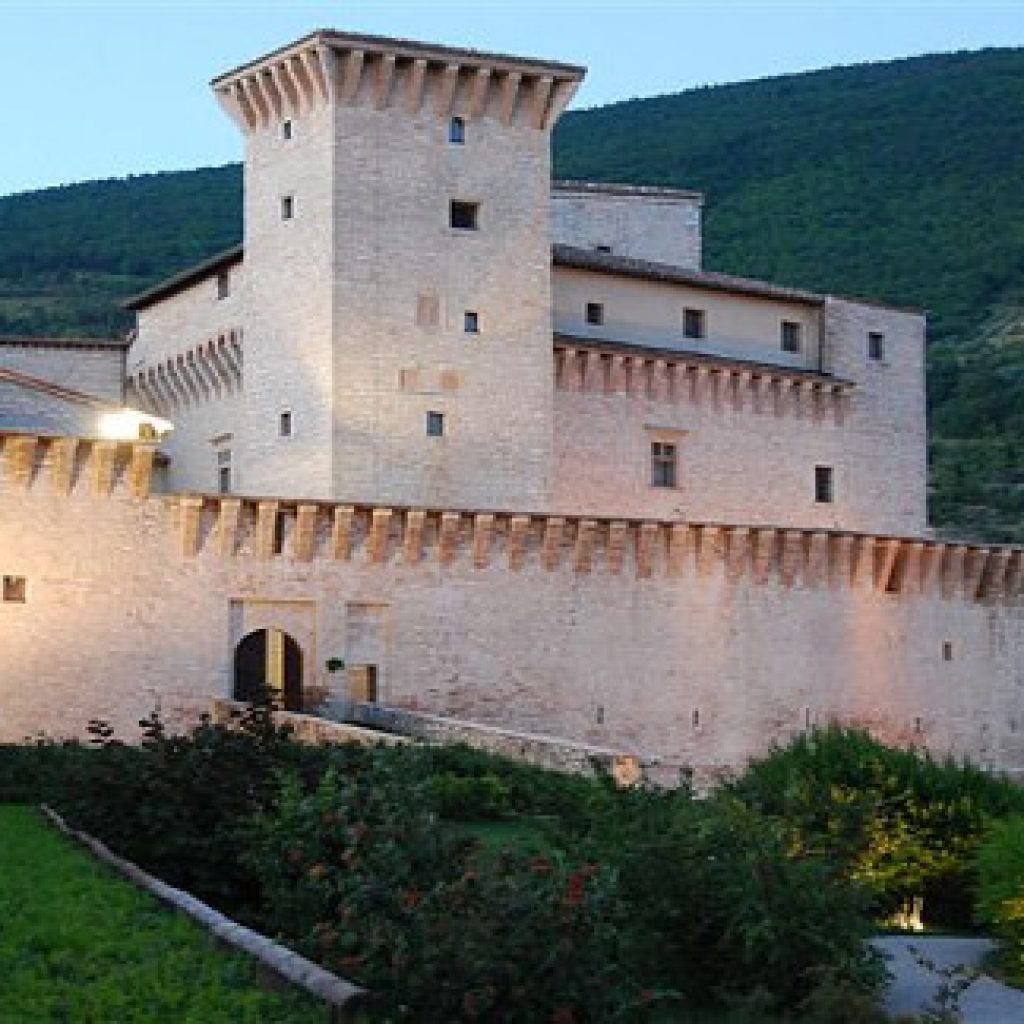
Da qualunque direzione si arrivi a Gualdo Tadino non si può far a meno di notare l'imponente Rocca Flea: l'antico maniero che si erge a protezione della città. L'importanza della rocca [...]
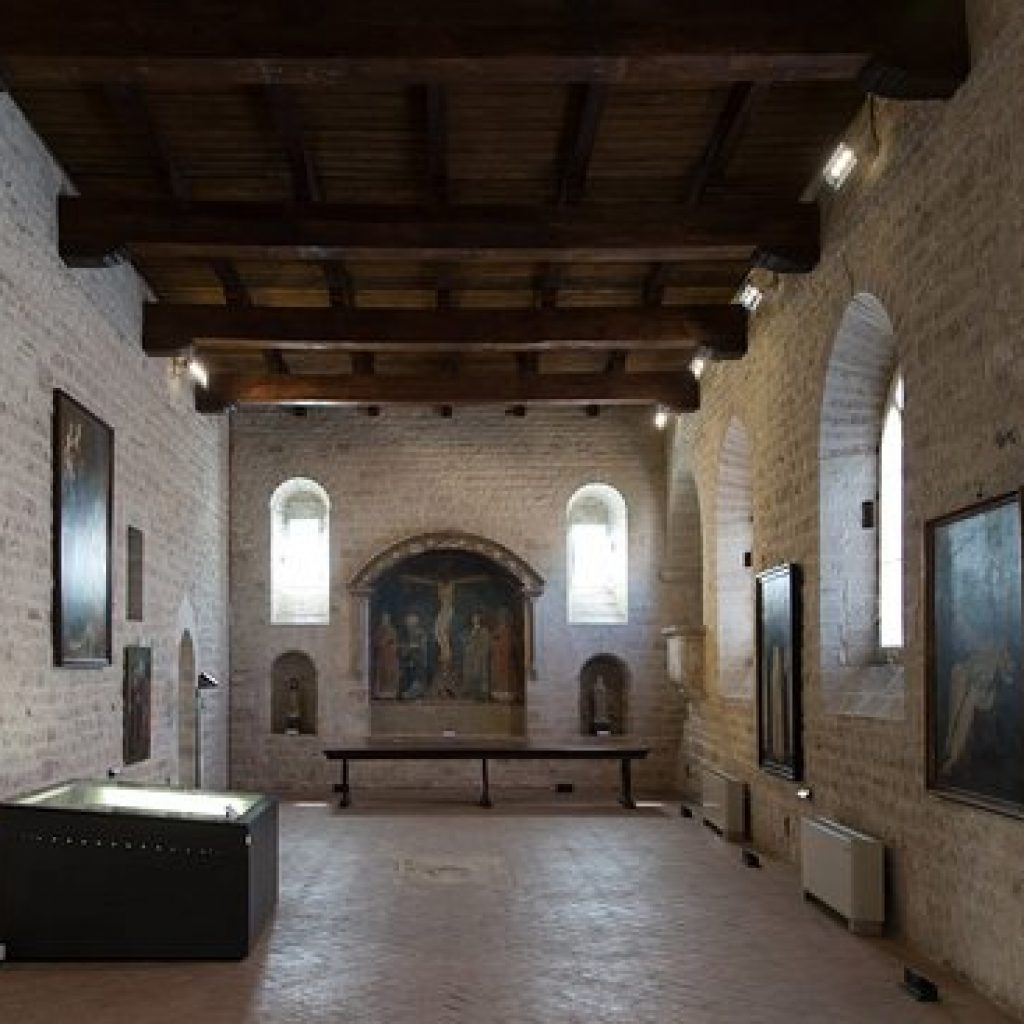
Diocesan Museum of Gubbio
The Diocesan Museum of Gubbio is housed in the Palais des Canons (XIIcentury), in the heart of the city of Gubbio, a short walk from the cathedral stands.
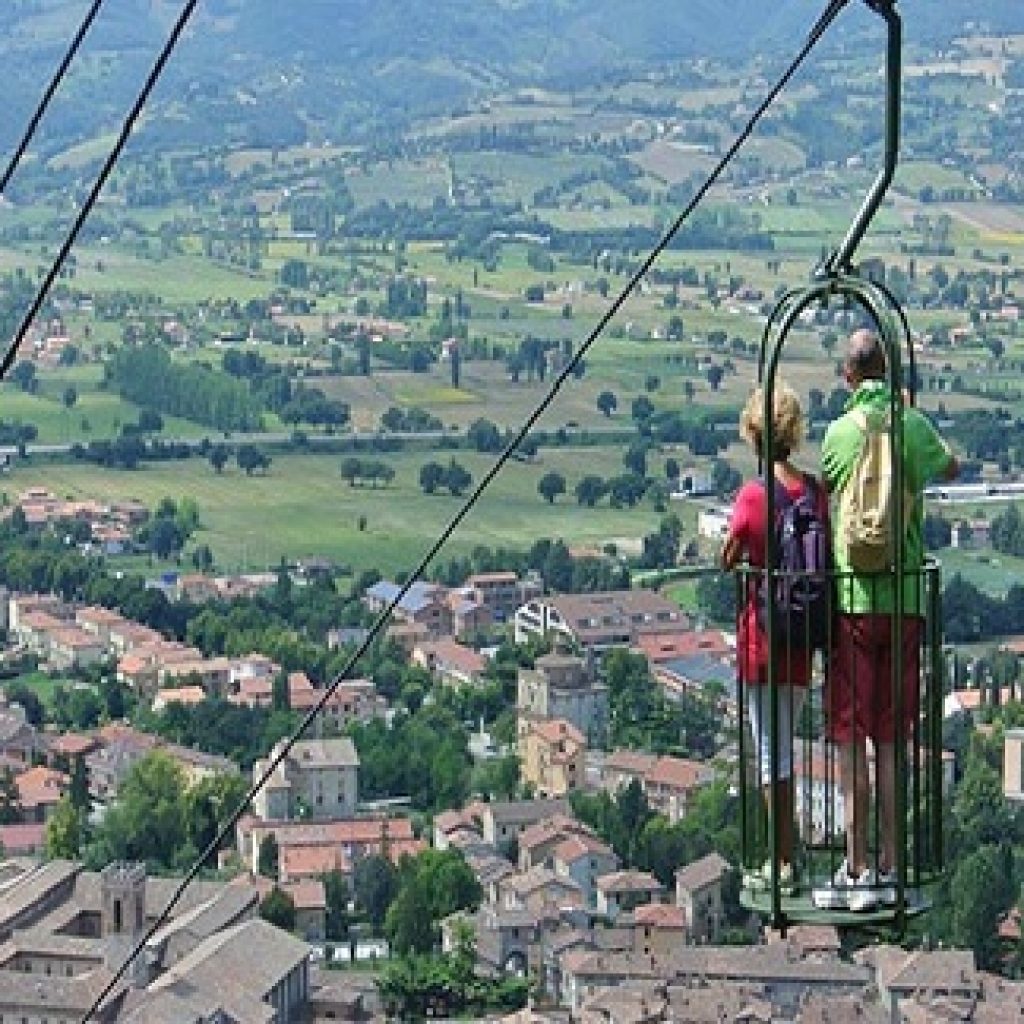
“Colle Eletto” Cable Car
The Colle Eletto Cable Car connects the town of Gubbio with Mount Ingino, where the Basilica of St. Ubaldo stands and where the body of St. Ubaldo is kept.
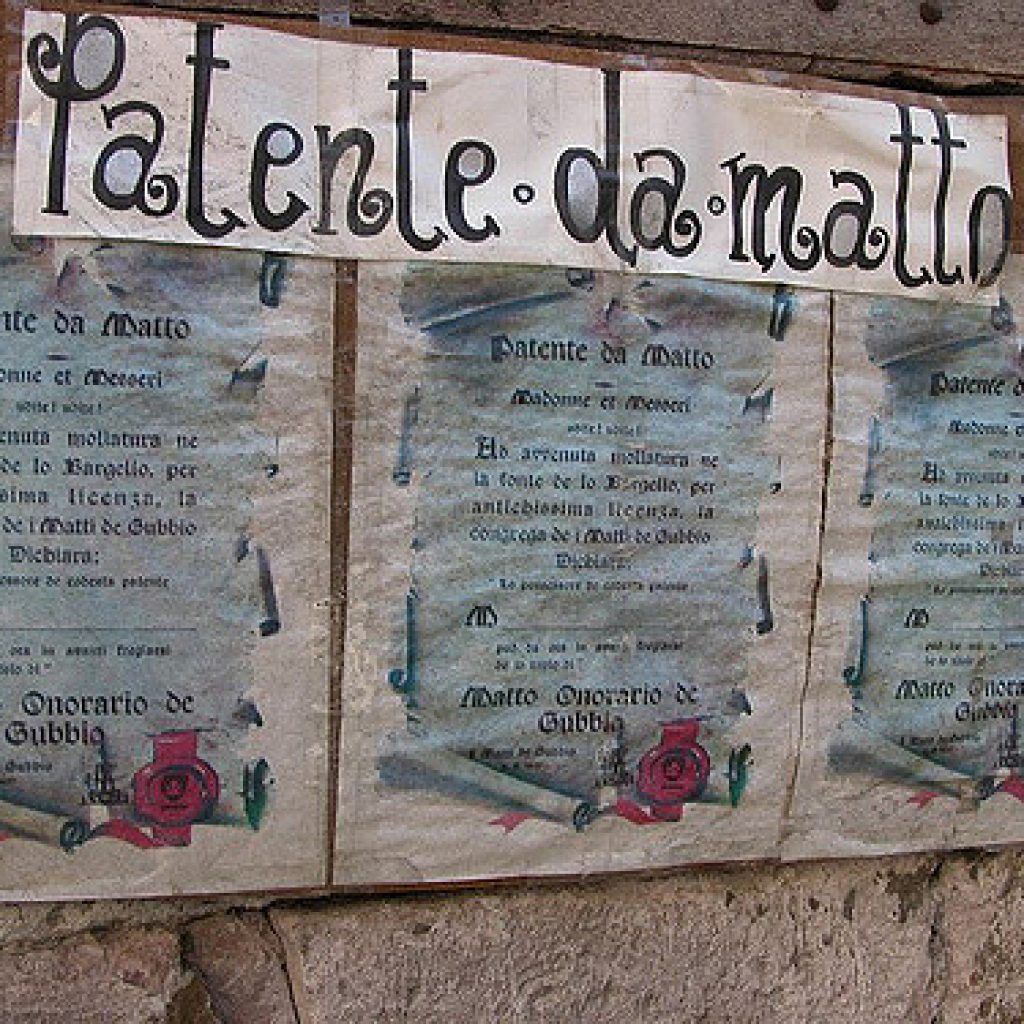
GET THE RAVING MAD LICENSE IN GUBBIO
La Scarzuola, un luogo magico e fuori dal tempo dove perdersi e incantarsi, nascosto tra le verdi colline in Umbria Vieni a scoprire il fascino della Scarzuola, la famosa Città [...]
The village of Rasiglia
.
Cosa vedere a Gubbio in un giorno
osa vedere a Gubbio. Ecco una mini-guida per partire alla scoperta di Gubbio, la città dei “matti”, senza farti trovare impreparato. Cosa vedere, cosa fare e cosa mangiare a Gubbio, una [...]
What to see in Gualdo Tadino in a day
Cosa vedere a Gualdo Tadino in un giorno, la pittoresca cittadina ai piedi dell'Appennino Centrale, famosa per le sue fabbriche di ceramiche artistiche? Scopritelo con a nostra mini guida! A [...]
From Gubbio to Assisi – The mystical charm of mountain hermitism
Il territorio che ci conduce da Gubbio ad Assisi, e che attraversa l’Oasi del Parco Naturale del Monte Cucco, l’Altopiano della Palude di Colfiorito e il Parco del Monte Subasio
From Città di Castello to Gubbio – Hermitages, miracles and mysteries
Un itinerario nell’Umbria sacra e mistica, sacra e pagana, inizia da Città di Castello e ci conduce fino a Gubbio
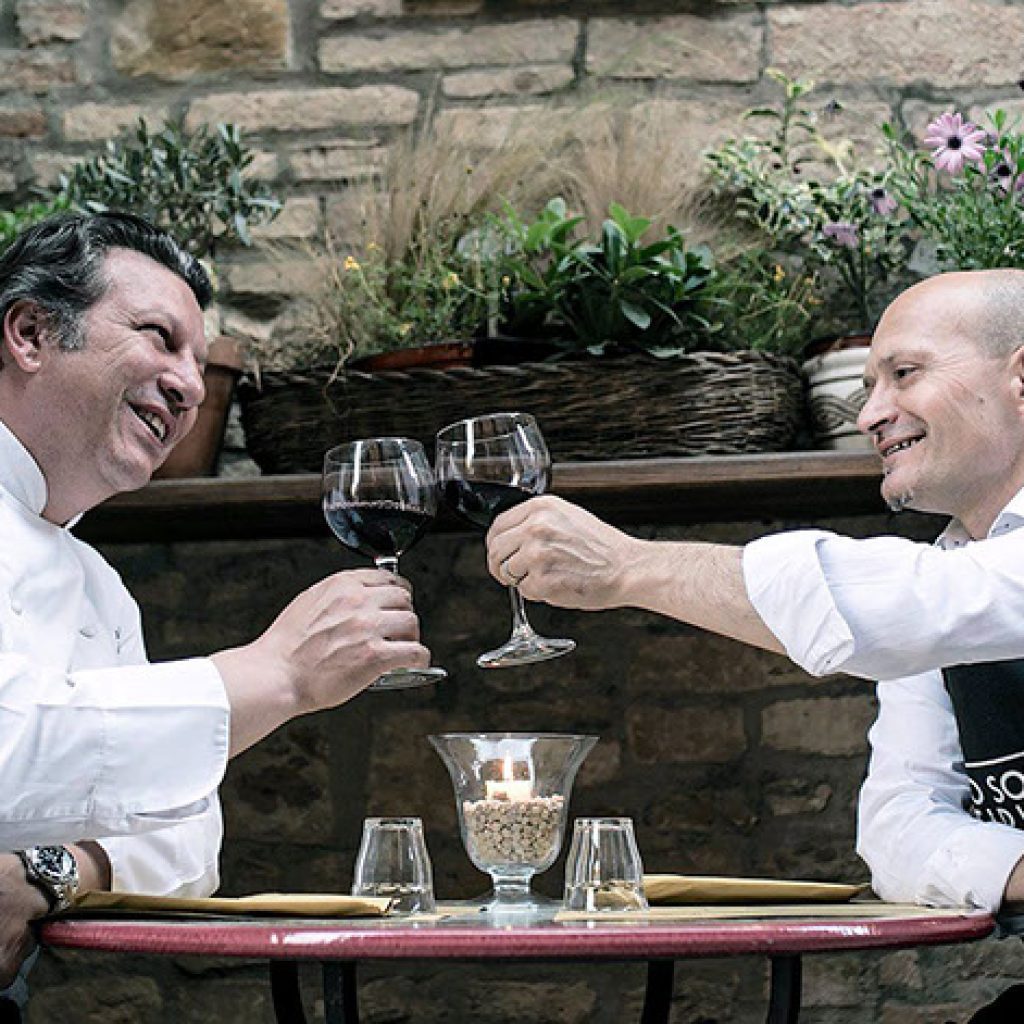
Tipico Osteria dei Sensi & Locanda del Capitano is born, an idea by Chef Giancarlo Polito and the expert host Paolo Morbidoni.
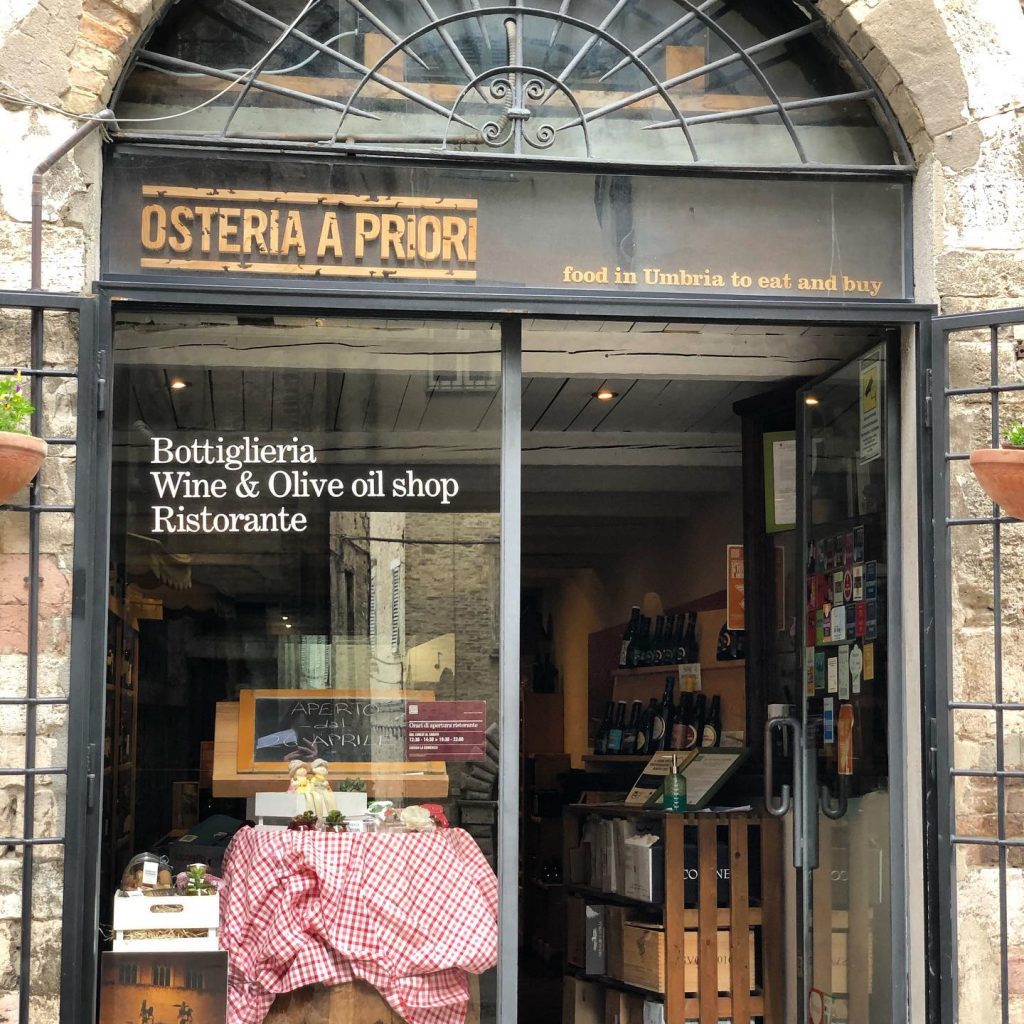
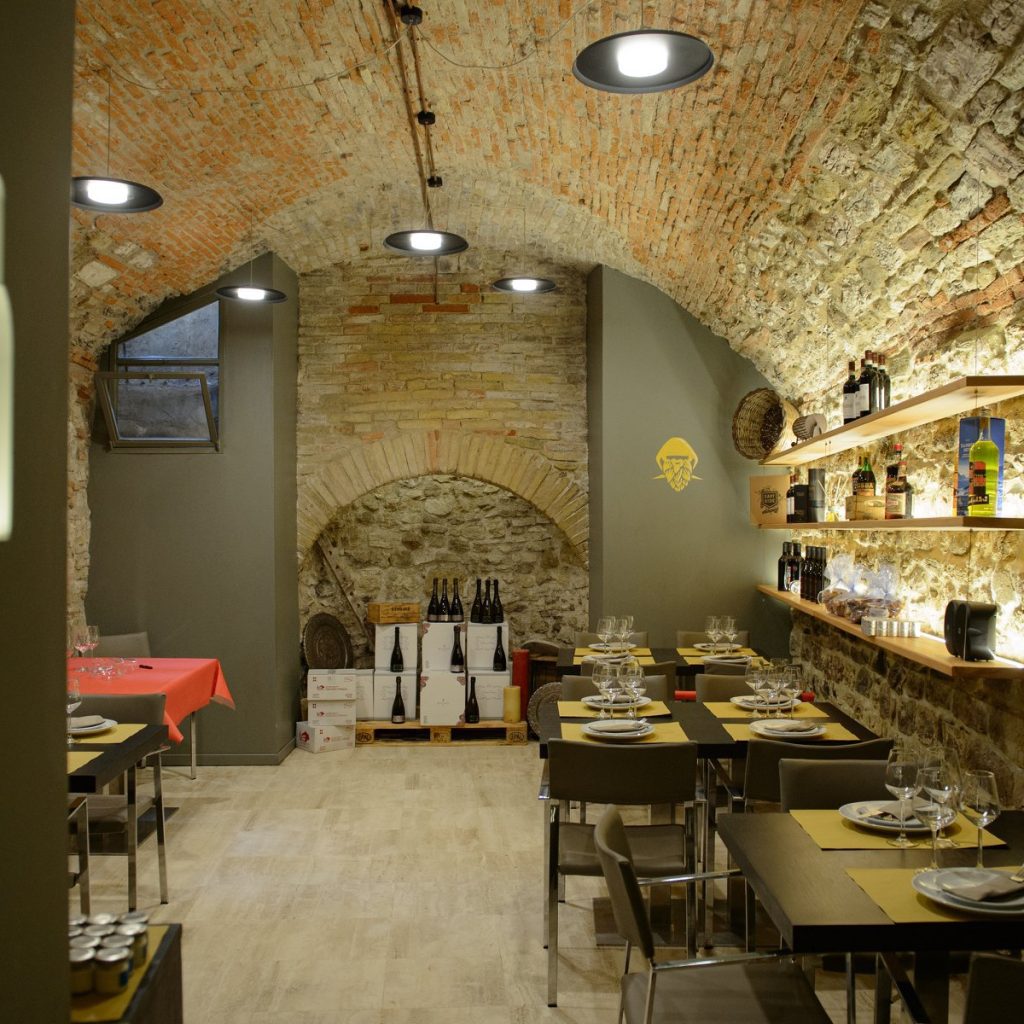
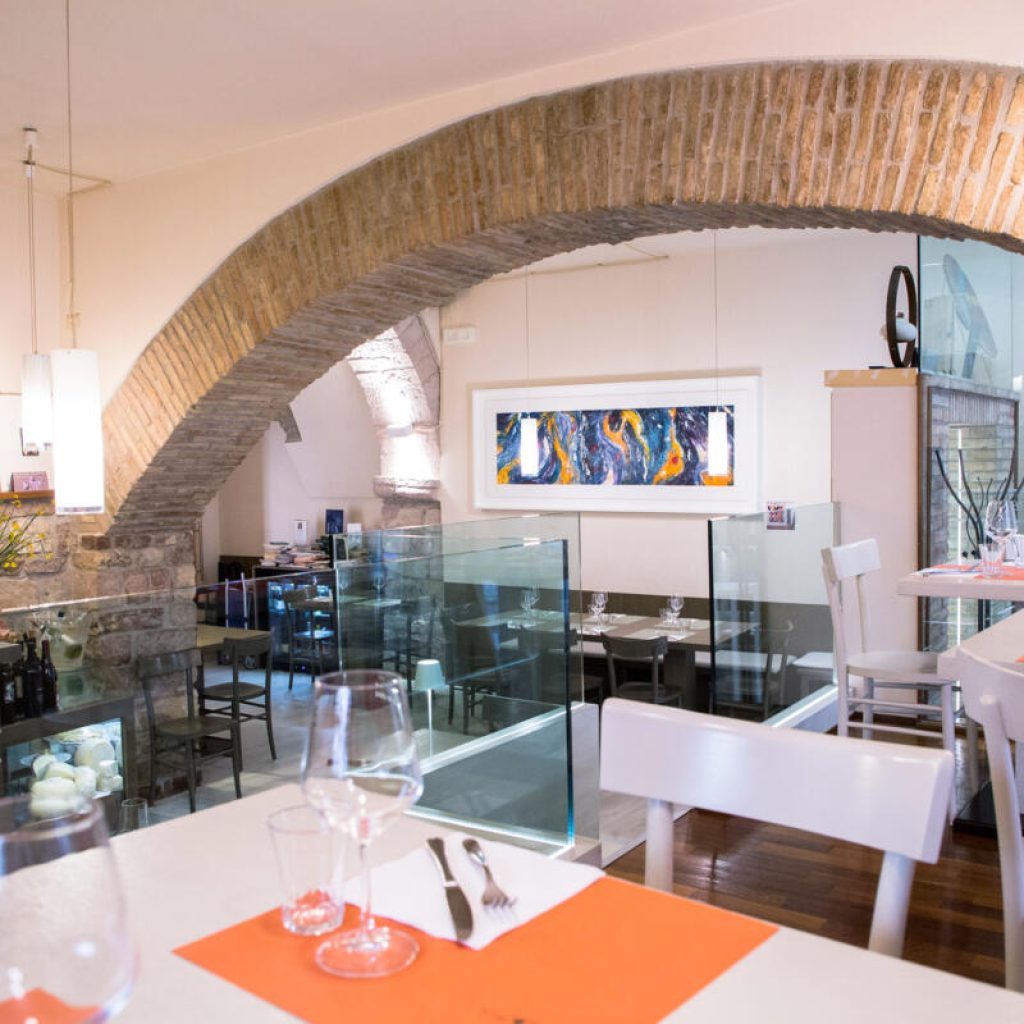
Osteria dei Priori
In the heart of the historic center of Perugia, the welcoming Osteria dei Priori offers the gastronomic excellence of the Umbrian territory.
Fra Luppolo restaurant
Located in the center of Gubbio, Fra Luppolo is a venue dedicated to craft beer, not only Italian but also international.
Hostaria Terra Chiama restaurant
Located in the historic center of Assisi, the establishment Hostaria Terra Chiama offers a completely relaxing environment
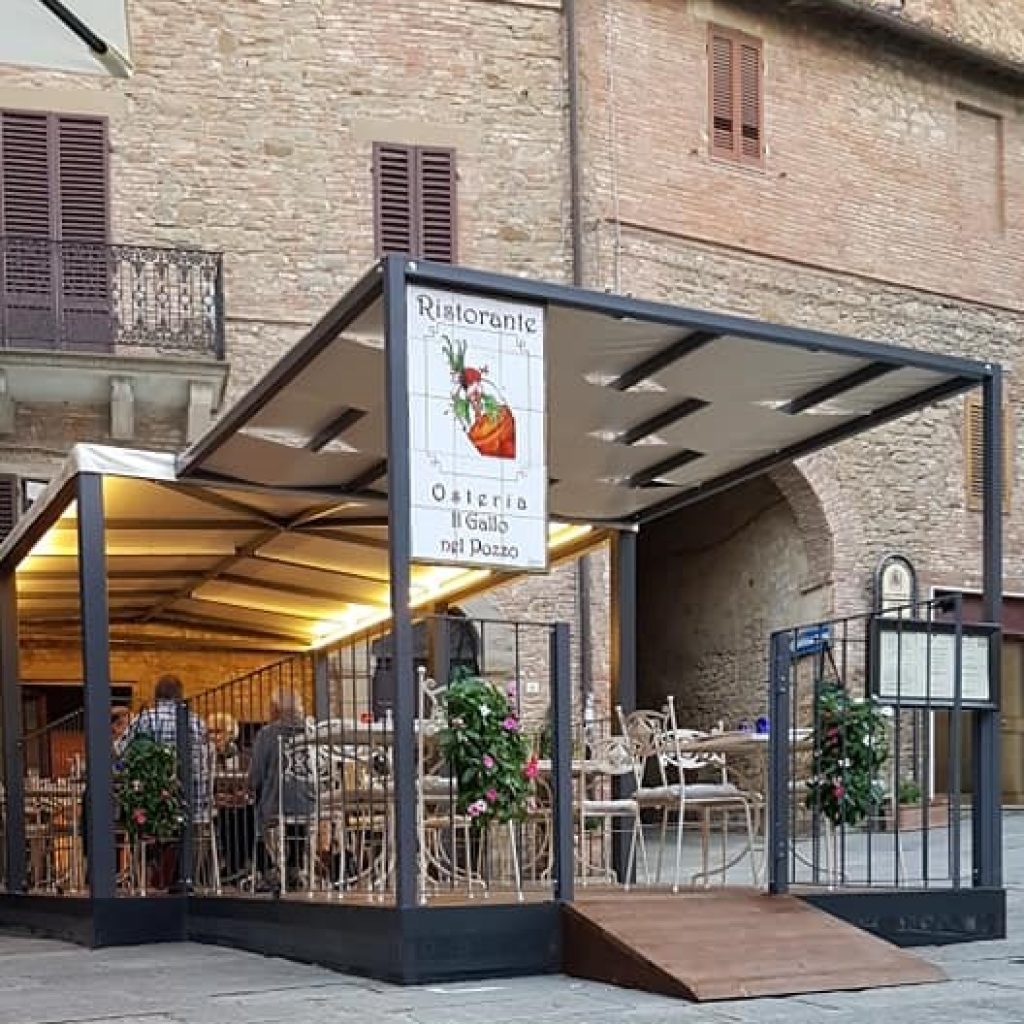
Ristorante Il Gallo nel Pozzo
The ‘Gallo nel Pozzo,’ a small venue located in the basement of an old noble palace, is characterized by the presence of an ancient well.
Guaita Sant’Eutizio restaurant
At the Guaita Sant’Eutizio restaurant, specialties from the Umbria-Marche region are offered, featuring organic and high-quality products.
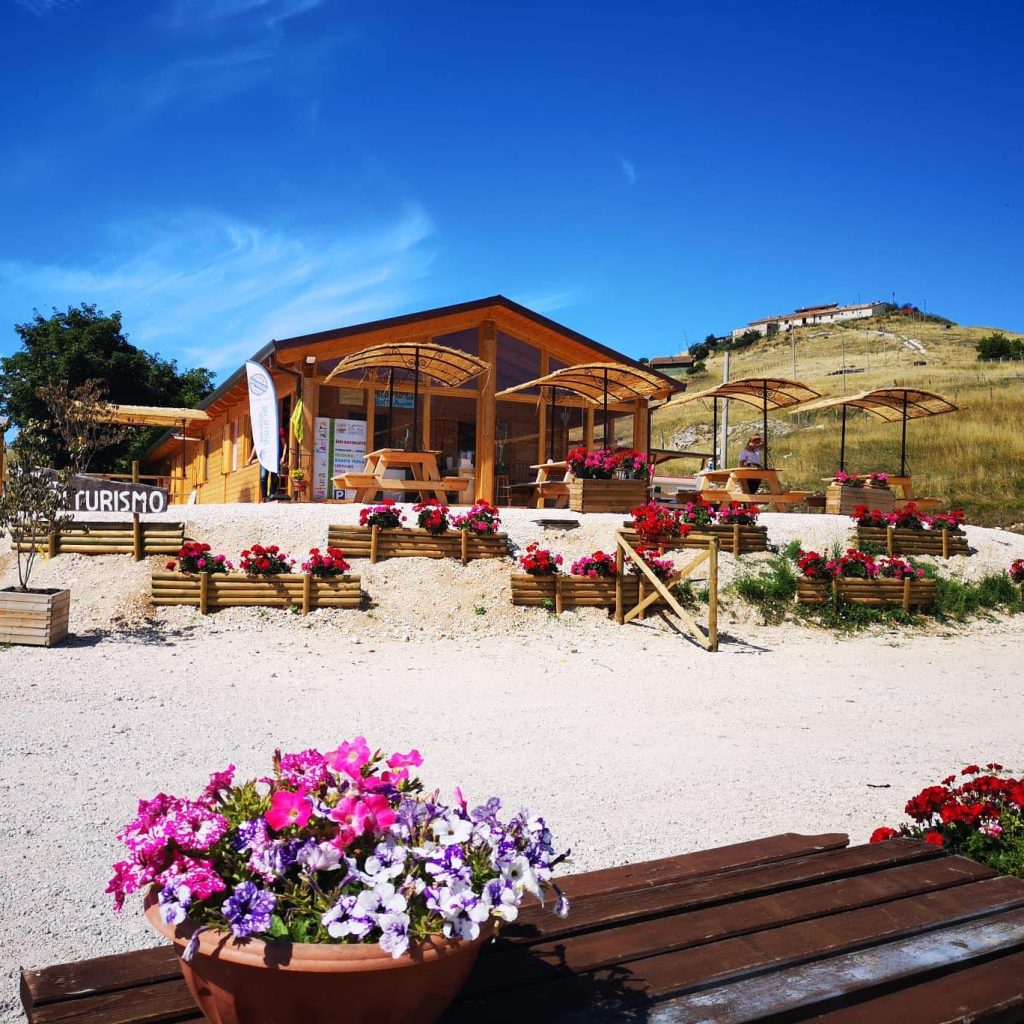
Il Sentiero delle Fate Agritourism
The agritourism Il Sentiero delle Fate in Castelluccio di Norcia offers dishes from the Umbrian tradition, featuring locally sourced products.
Fontana delle Pere
The Bernardi family has always been committed to offering its customers a sincere welcome, making them feel at home.
Bistrot Zazzera
Bistrot Zazzera is a farm that produces typical regional products, a testament to the connection between the family and the territory.
Agriturismo Marilena la Casella
Discover the enchanting haven of tranquility in Lisciano Niccone, Agriturismo Marilena La Casella, where sustainability meets Umbrian beauty.
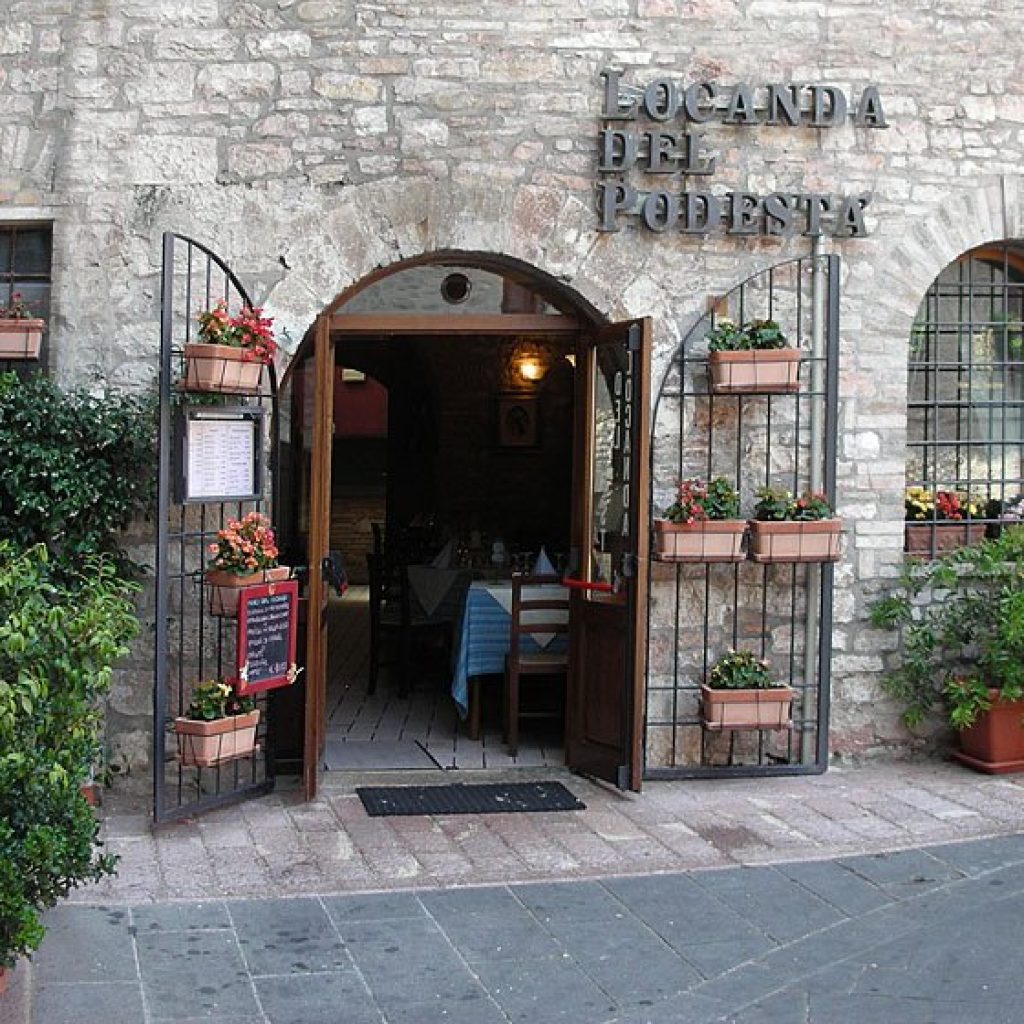
La Locanda del podestà
Discover a unique gastronomic experience with the refined and revisited menu of the Inn of the Podesta, renowned for its regional dishes.
Ristorante La Cia
At Ristorante La Cia s.a.s, you can experience being right in the middle of an illuminated Christmas tree.
L’Antica Osteria
The small village of Montone, in the province of Perugia, is told through the culinary offerings of L’Antica Osteria.
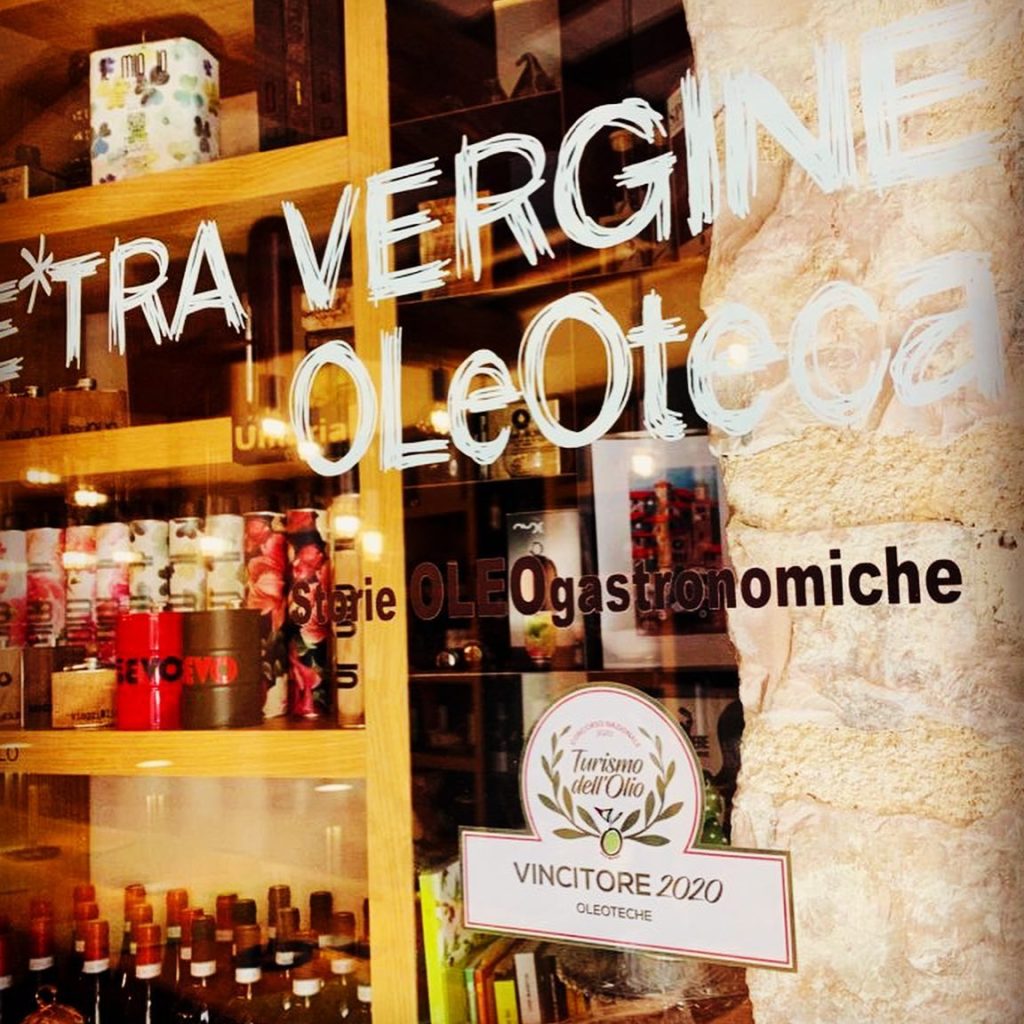
E*tra Vergine Oleoteca
Extra virgin olive oil is at the heart of the restaurant’s dishes, as well as in original appetizers, and proposals for mindful purchases.
La Botte Piccola
Situated within the Regional Park of Monte Cucco, it is a venue suitable for various activities, with a thousand faces, all dedicated to good taste.
La Terrazza di San Guido
The restaurant is managed by the Paciotti family and is characterized by its culinary offering rich in traditional dishes.
Il Casale di Mariotti Giuseppina
The owner and chef of the restaurant, Giuseppina, passionately carries on the tradition of Umbrian land and flavors.
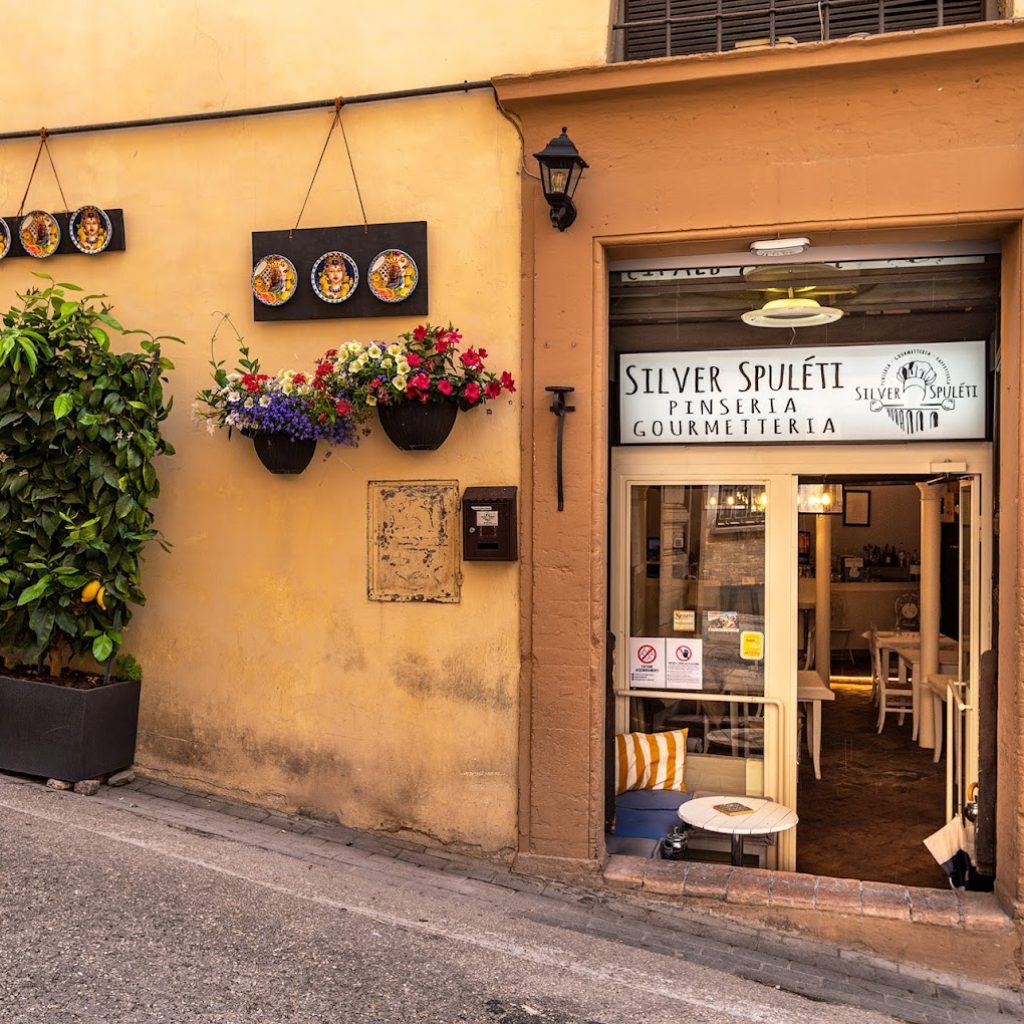
Silver Spuléti Restaurant
In the heart of Spoleto, the young Chef Jacopo Martellini realizes his dream with innovative Umbrian cuisine, rich in quality and passion.
Il Picchio Verde Restaurant
The unique blend of culinary tradition at the restaurant “Il Picchio Verde” in Gubbio, amidst history, eugubian specialties, and truffles.
Taverna del Gobbo
The Umbrian tradition at Taverna del Gobbo with genuine dishes, handmade pasta, truffle, wild boar and goose sauces, also available gluten-free.
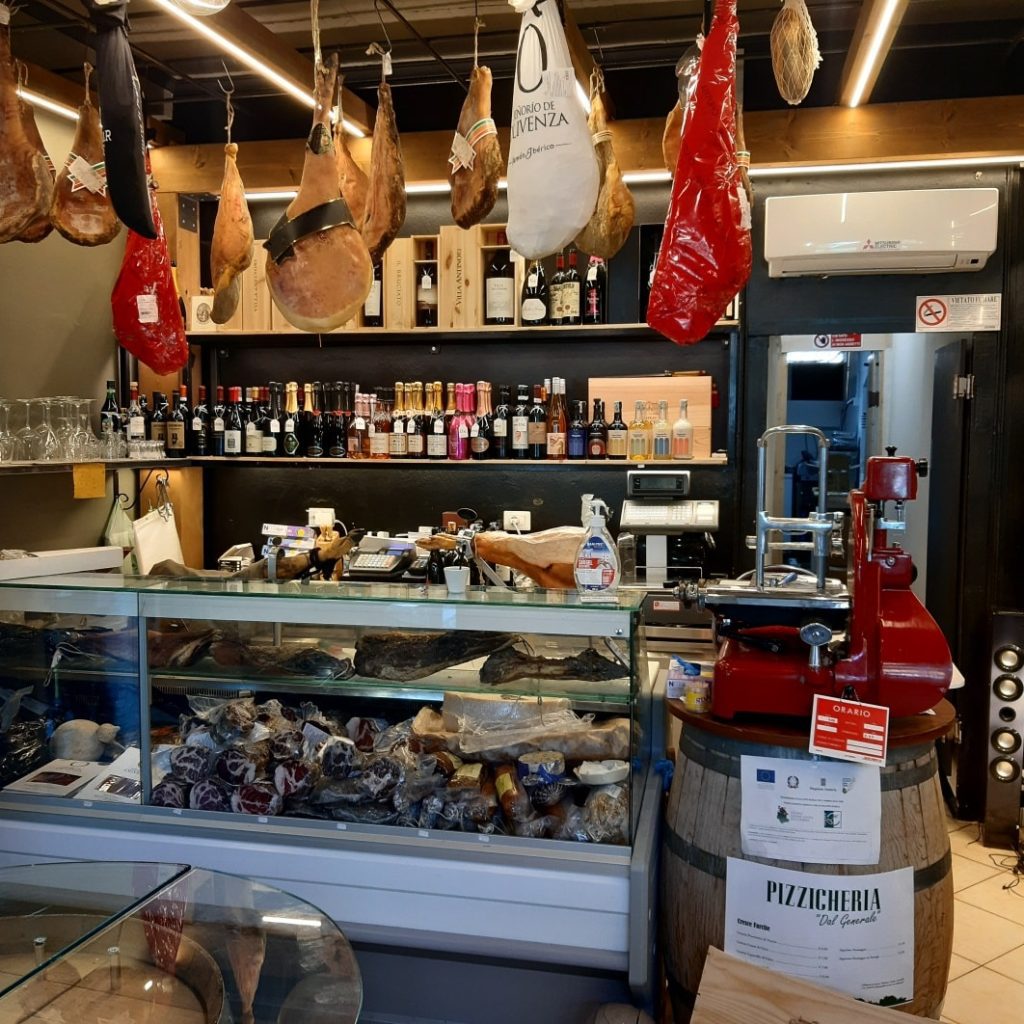
Pizzicheria Dal Generale
The Umbrian culinary authenticity with the Biancarelli family: masters for generations in selecting typical products from Gubbio and Umbria.
Locanda dei Pescatori
Discover Locanda dei Pescatori on Lake Trasimeno, where the fresh catch of the day meets sustainable lake fish specialties.
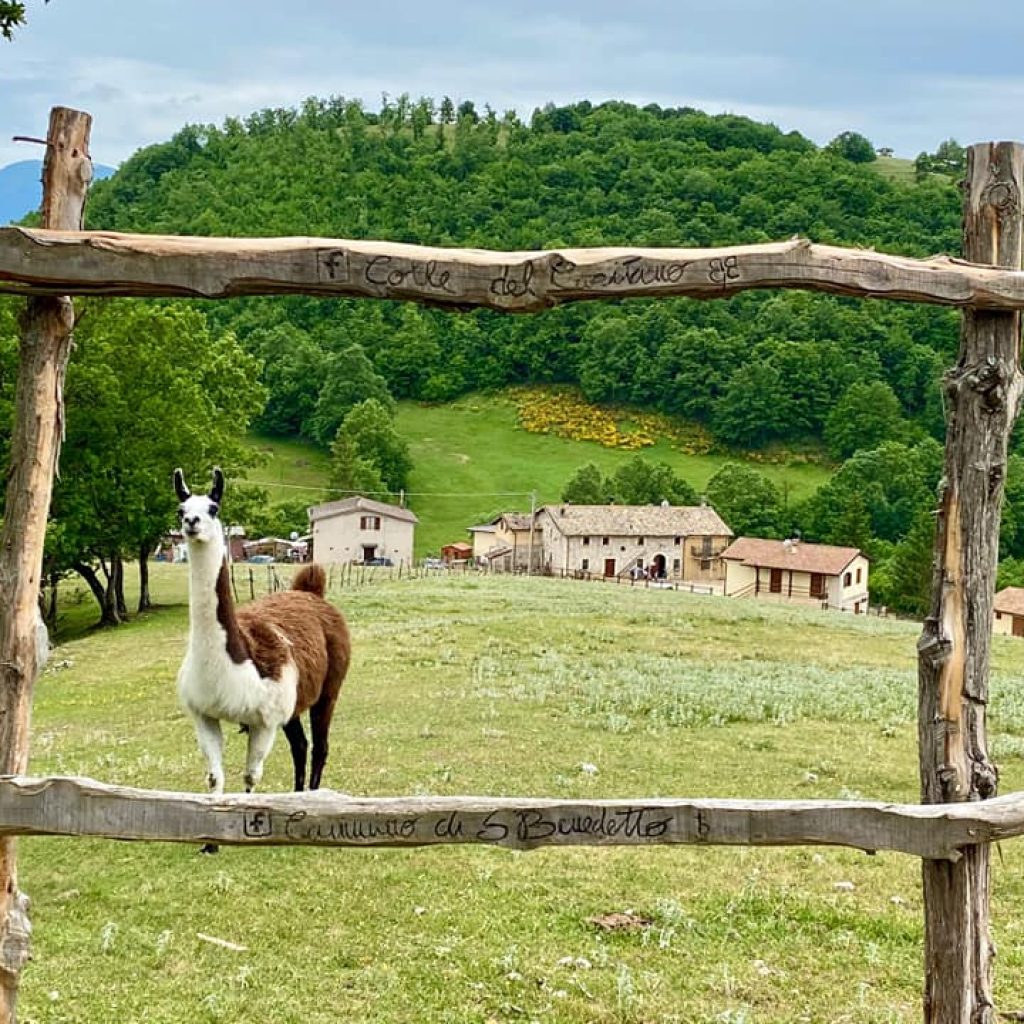
Azienda Agrituristica Colle del Capitano
Explore the authentic gastronomic experience at the Vannozzi organic farm, featuring seasonal and certified organic dishes typical of Umbria.
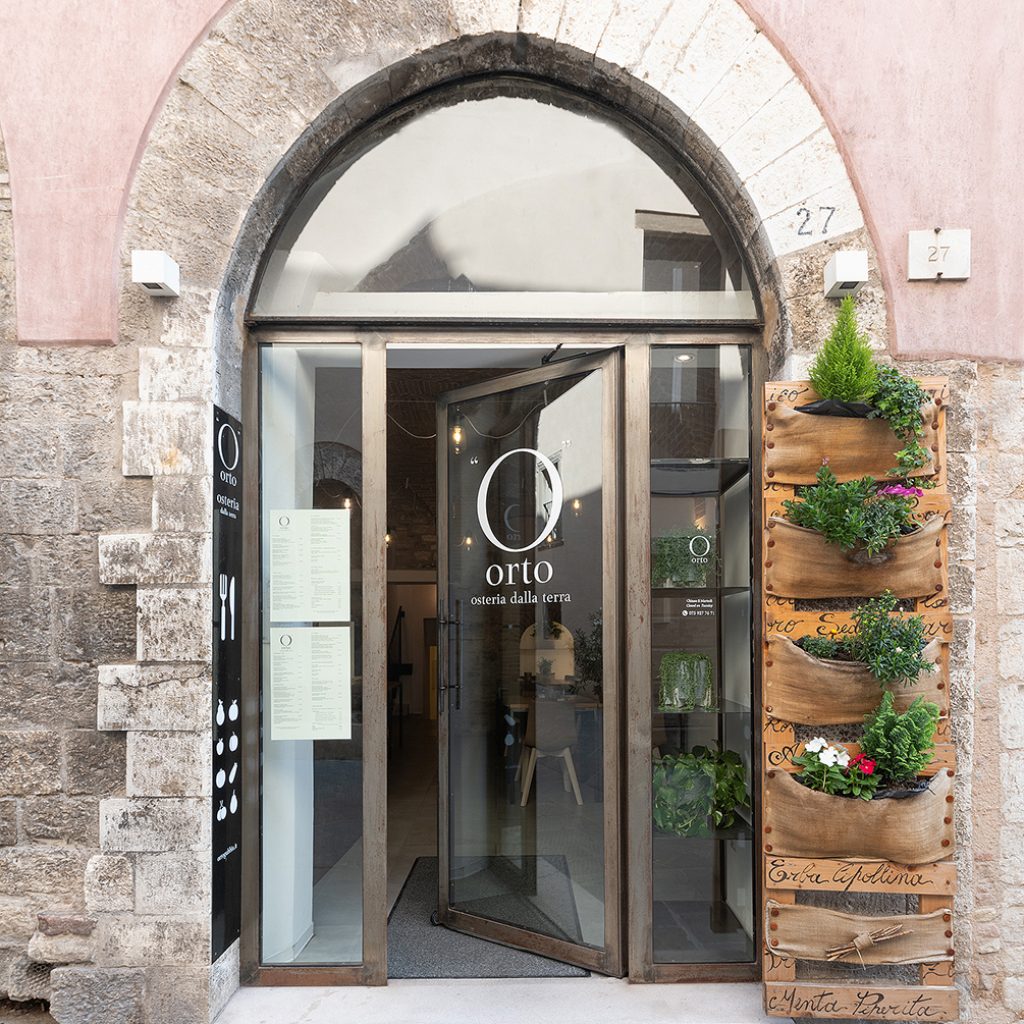
Orto Osteria Dalla Terra
Discover a unique culinary experience in Gubbio: the vegetarian and vegan restaurant celebrates local producers and the taste of Umbria.
Il Baccanale
Discover the fusion of art history and culinary passion at Il Baccanale: a celebration of beauty, healthy eating, and creativity.
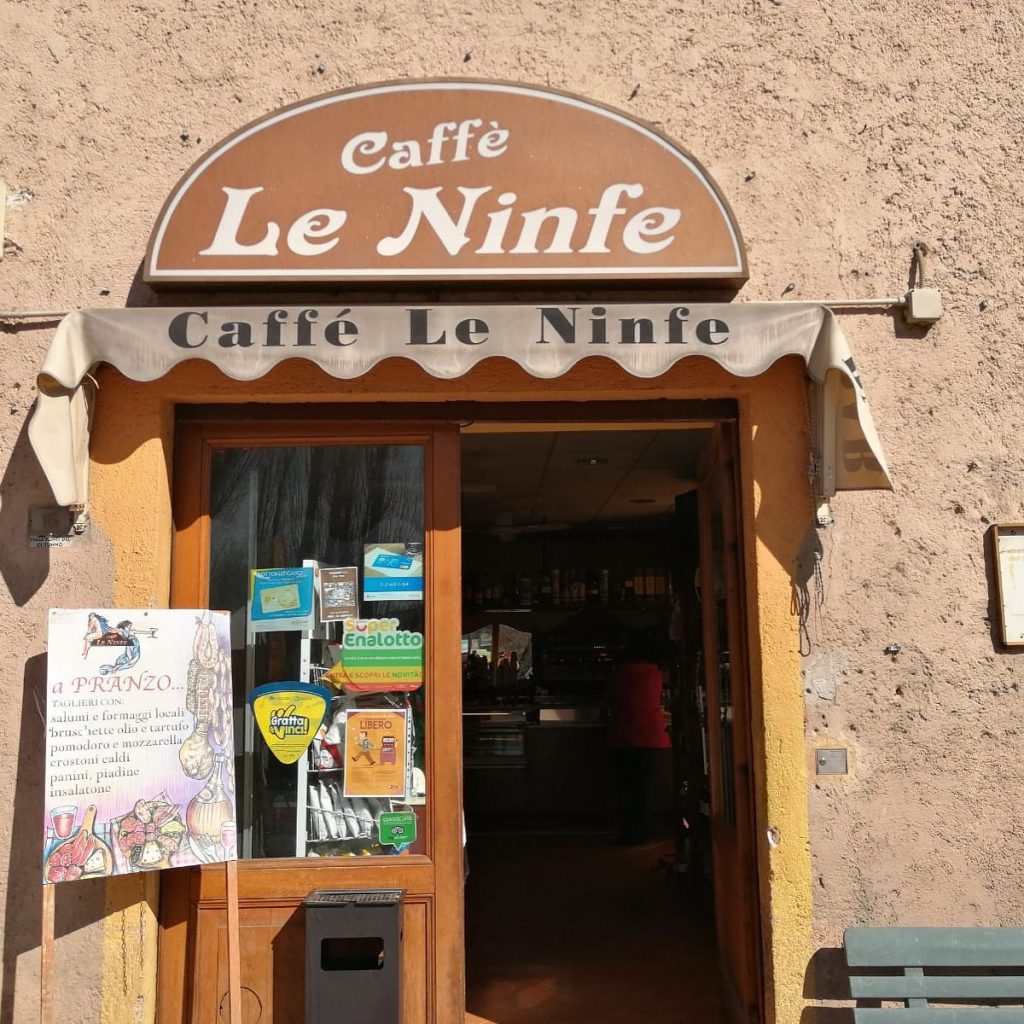
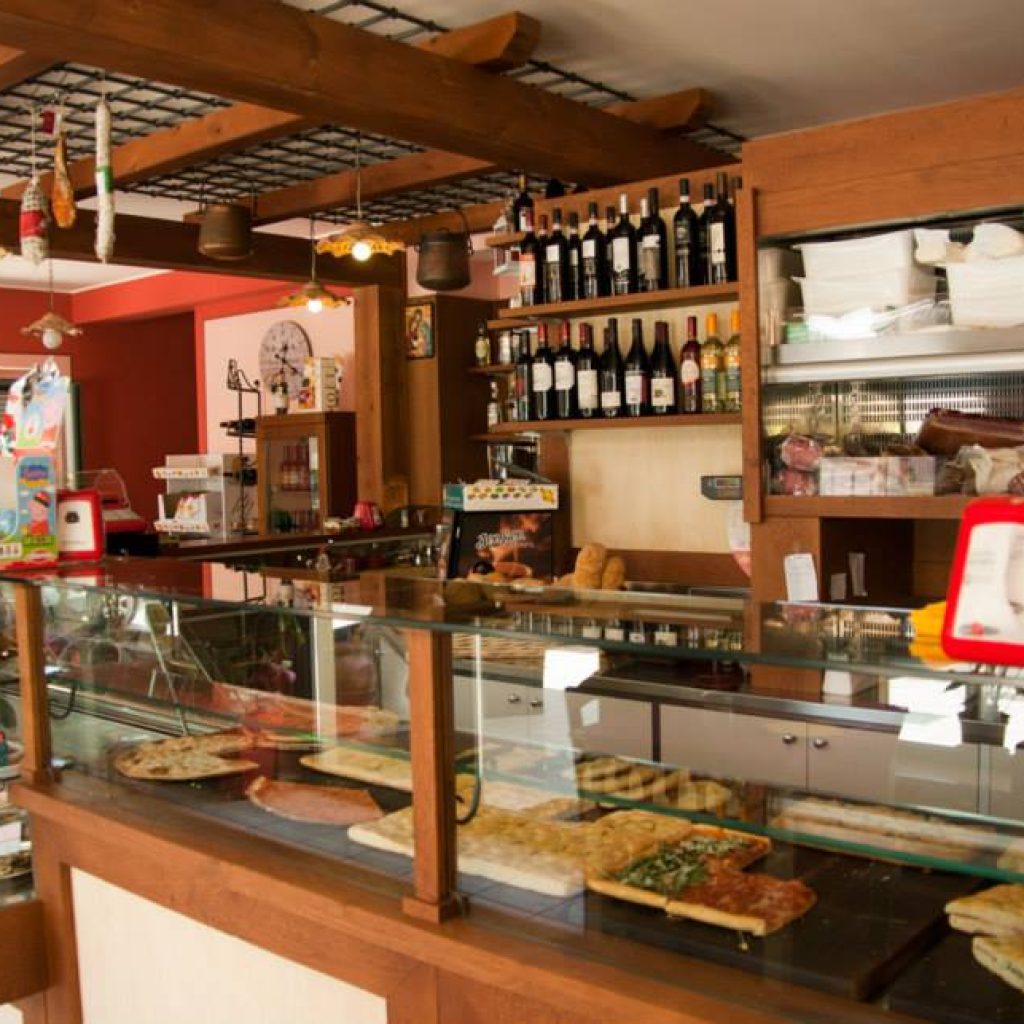
Caffè Le Ninfe
Discover a traditional taste experience at Fonti del Clitunno with Le Ninfe: breakfasts, lunches, and aperitifs in an oasis of serenity.
Pizzeria Da Moreno e Moira
Explore authentic Umbrian cuisine with Moreno and Moira, talented chefs. Their diverse menu combines tradition and creativity, offering gourmet options delivered directly to your home.
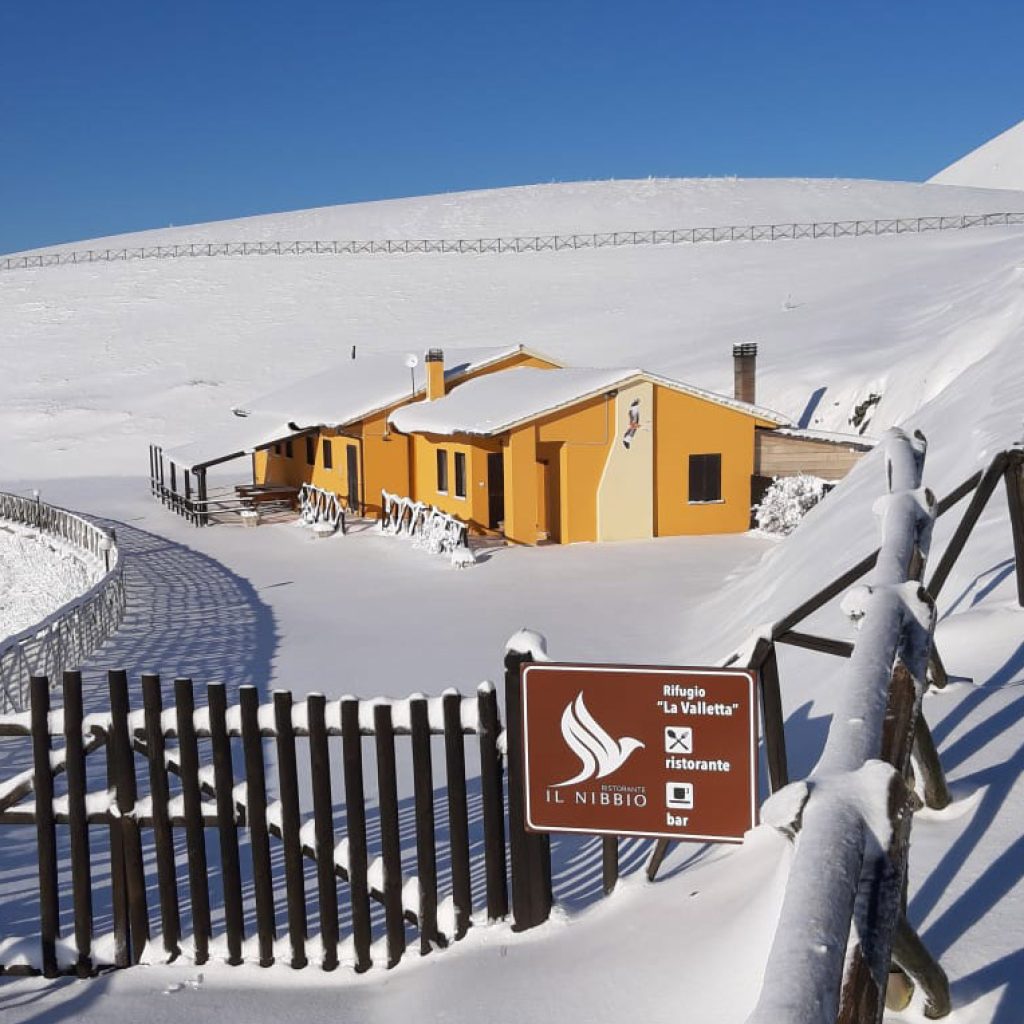
Il Nibbio Restaurant
Explore the exceptional Il Nibbio Refuge Restaurant at an altitude of 1300 meters: a welcoming mountain abode with Umbrian dishes and a breathtaking panorama.
Norcineria Pizzoni Adelmo
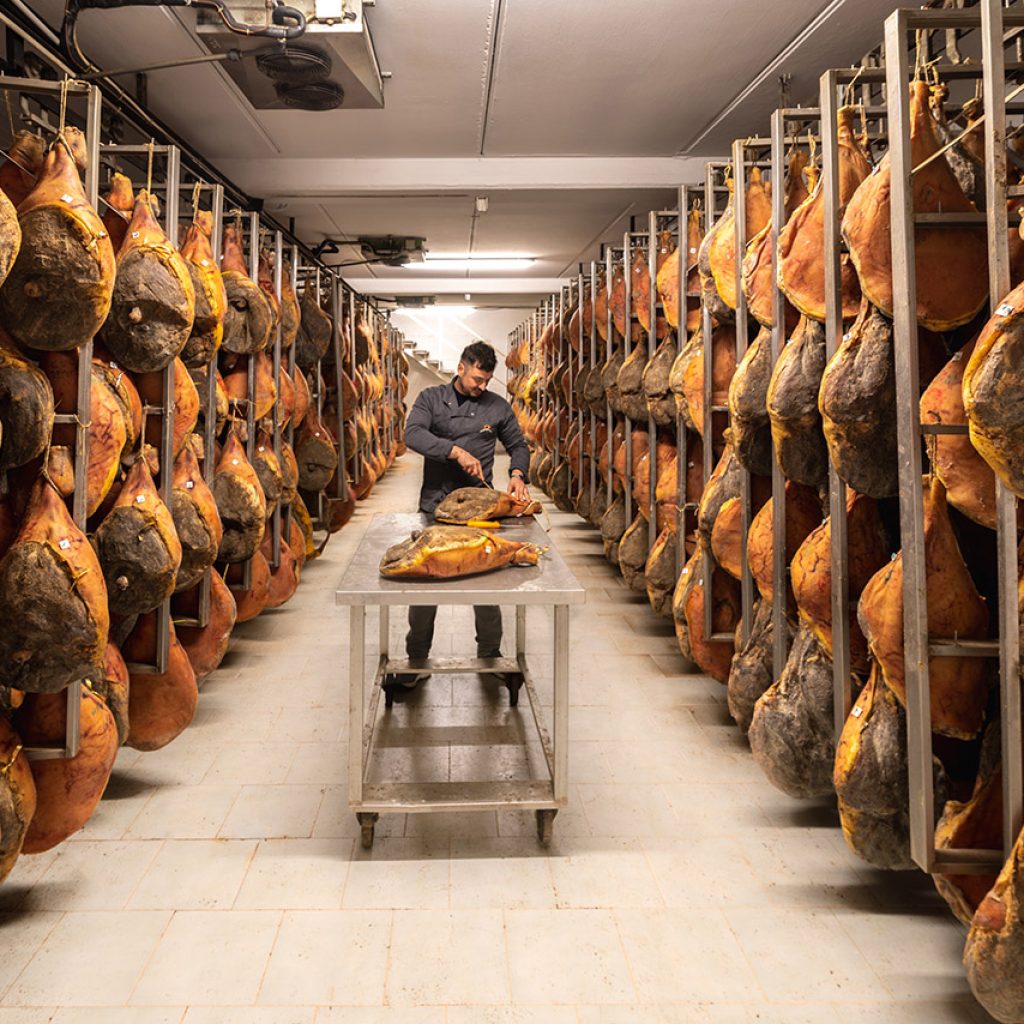
Discover the essence of butchery since 1961 with Pizzoni: tradition, experience, and passion transform meat into authentic delicacies.
Cresceria La Valle
Explore the authentic Umbrian culinary tradition at Cresceria La Valle in Gubbio: a taste oasis conceived by Isidoro Angeloni and Patricia.
Ristorante Il Moderno
A young establishment located in the center of Perugia, which offers a menu created by Chef Livia Coarelli with the idea of providing healthy food at affordable prices
Osteria La Pergola
Located in the historic center of Tuoro sul Trasimeno, just a few steps from the panoramic square overlooking the lake,
Azienda Agricola Le Mandrie srl
Agriturismo Le Mandrie is an organic and biodynamic farm, managed according to the same principles that animated the old country houses
Agriturismo Casa Vecchia
Agritourism
Marsciano (PG)
Restaurant br>Typical umbrian cuisine br>
Agriturismo Borgo Laurice
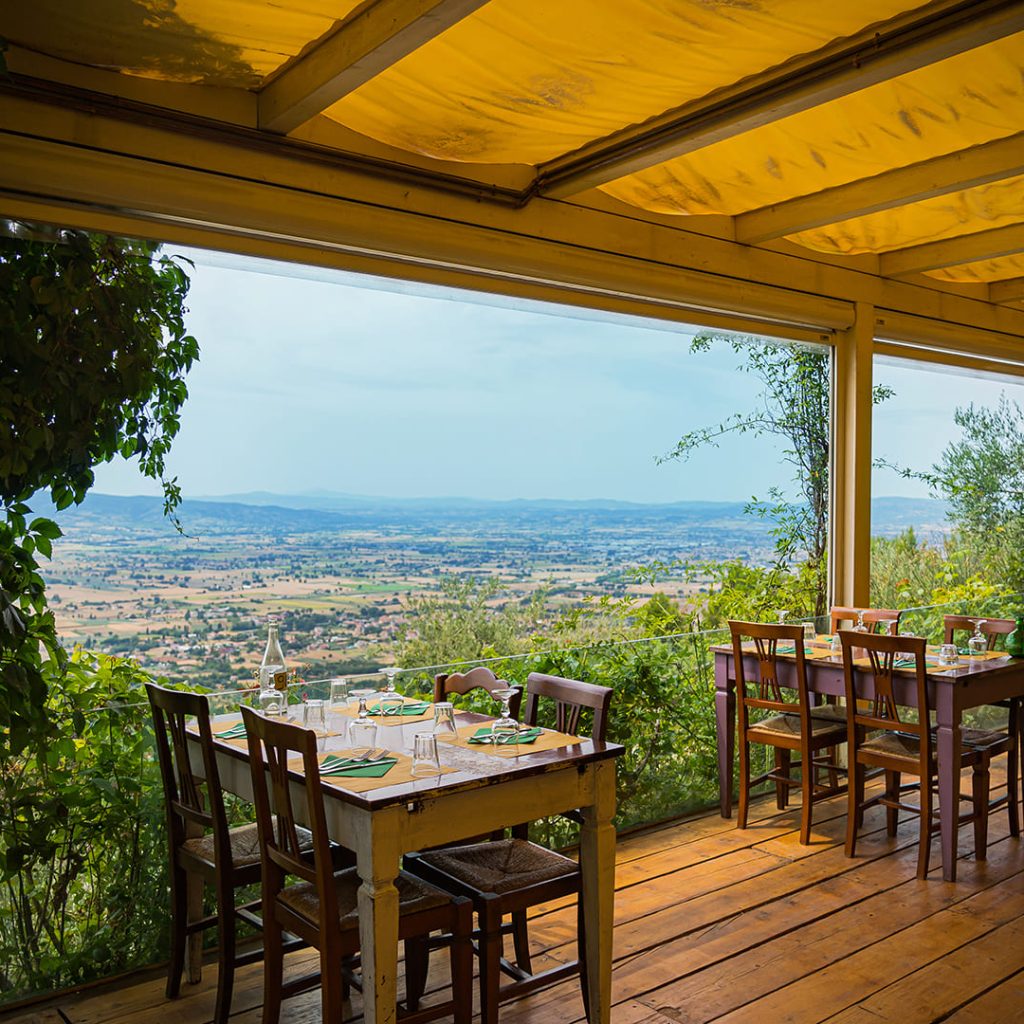
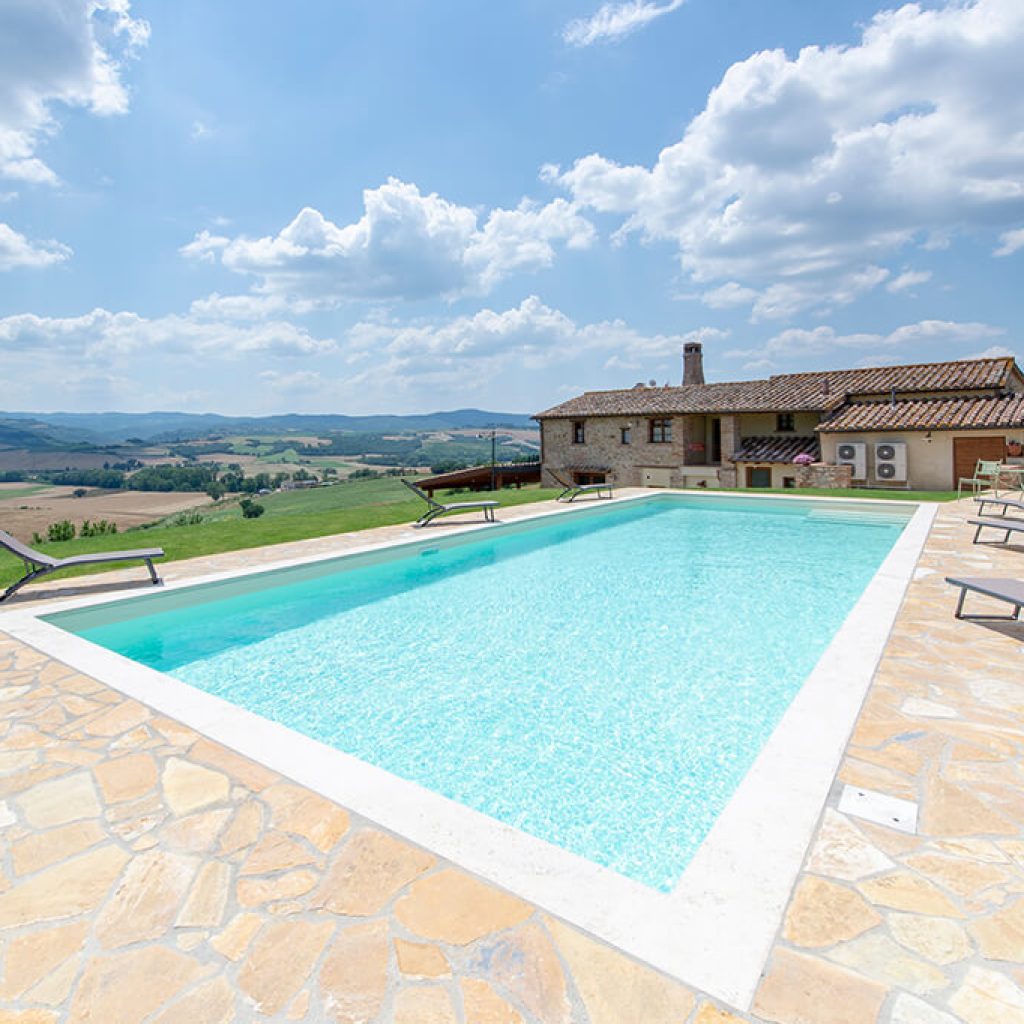
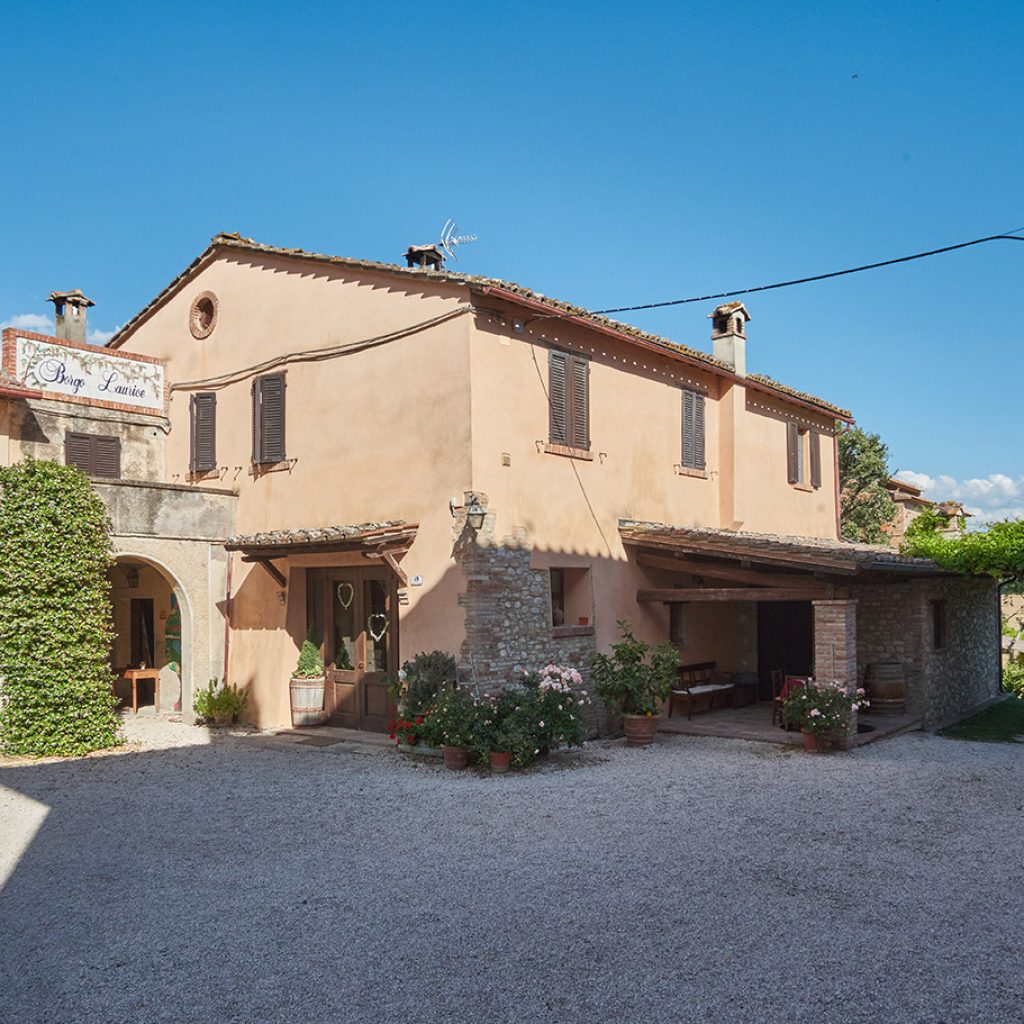
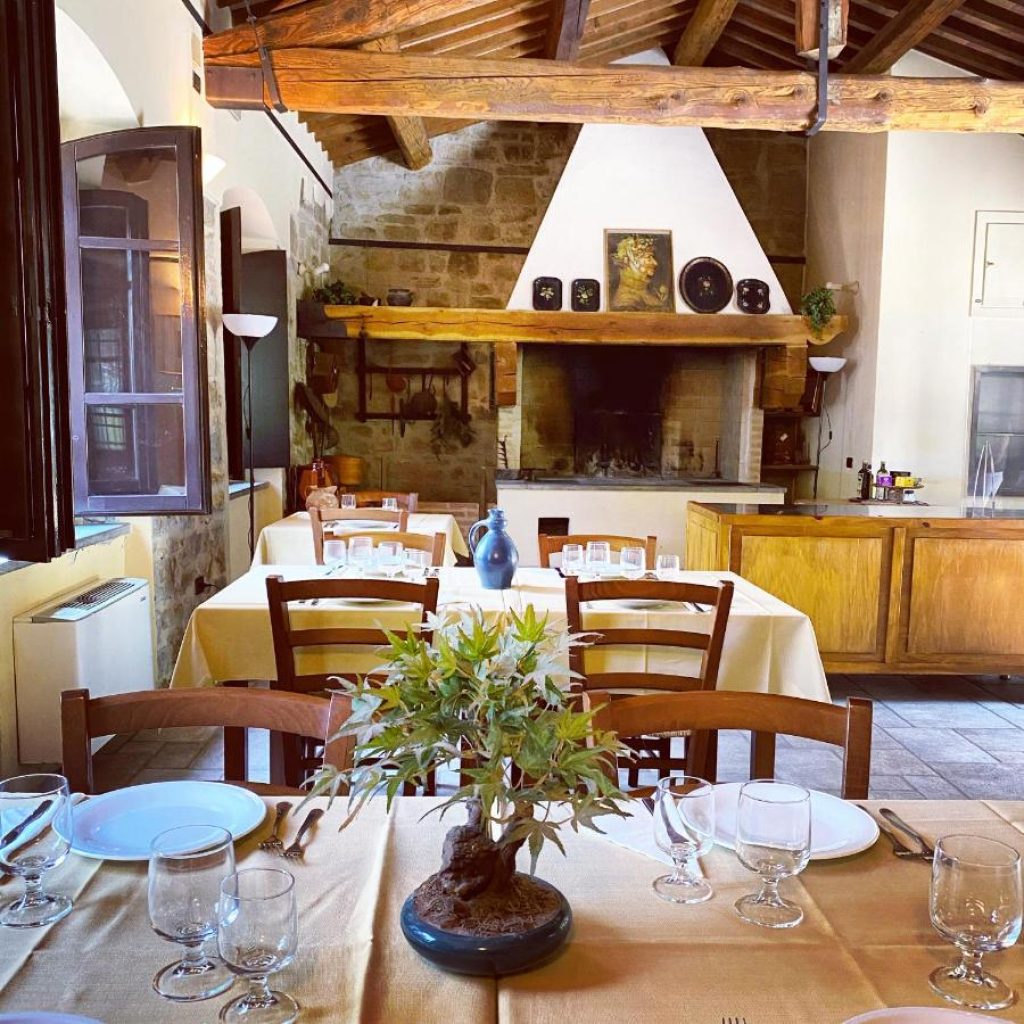
The restaurant at Agriturismo Borgo Laurice is a true haven for lovers of authentic Umbrian cuisine.
Germogli Restaurant
Restaurant in Gubbio Local product Biological products Vegetarian cuisine
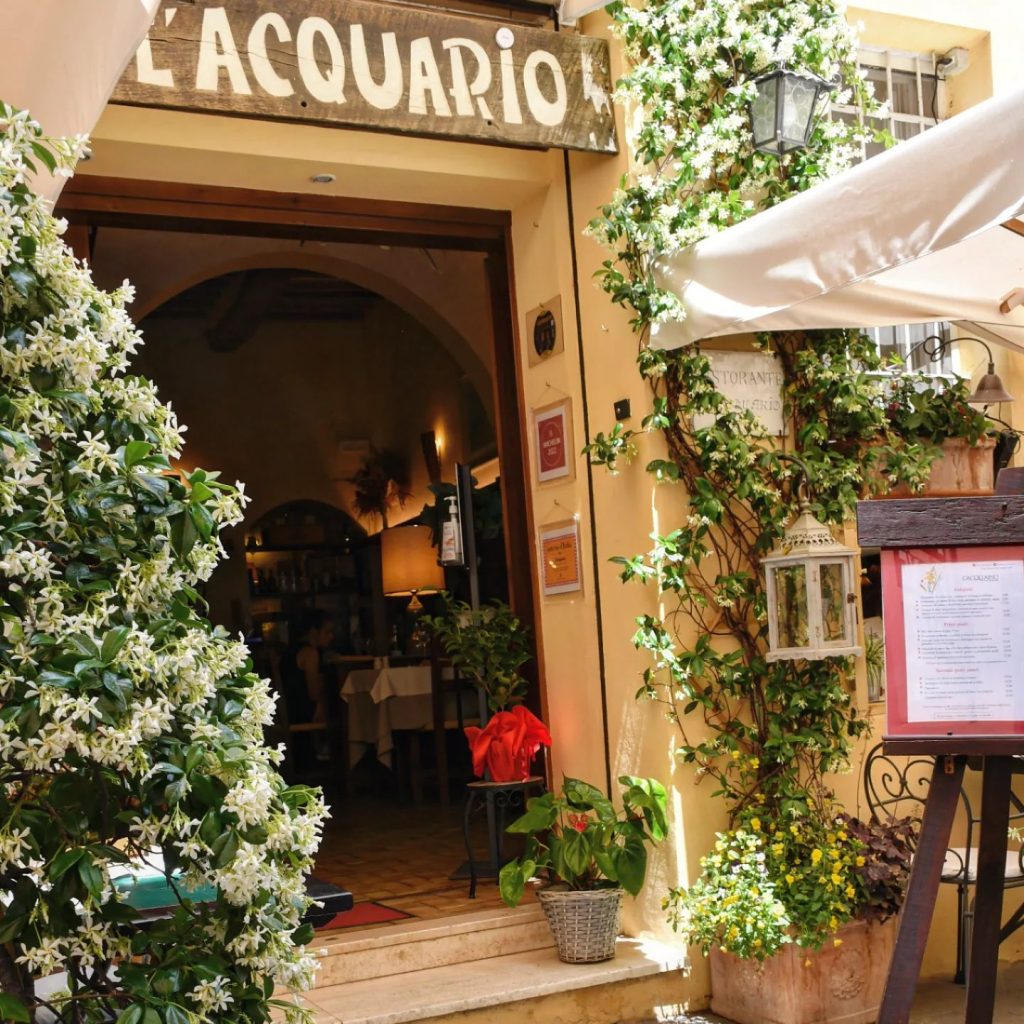
L’Acquario restaurant
Ristorante L’Acquario is the oldest restaurant in the historic center of Castiglione del Lago and pays homage to the scents and flavors of the Lake and Umbria in its cuisine.
La Veranda restaurant
The restaurant La Veranda, attached to the Hotel Tuder is open to everyone, both guests of the hotel and those who want to taste the traditional gastronomy of Umbria.
Azienda Agricola Bittarelli Patrizio
Since 2013, the Bittarelli Farm has also been an Educational Farm with the aim of offering active educational activities to children and adults.
Verde Olio restaurant
The Umbrian cuisine with authenticity and innovation at Verde Olio restaurant. Genuine flavors, extra virgin olive oil, and a welcoming atmosphere.
C’era una volta in Amelia
Explore authentic Umbrian flavors at the tasting center ‘C’era una volta in Amelia,’ where conviviality and local ingredients come together.